

If you have invested in a home infrared sauna, the obvious question is how to get the most from it: how often should you use an infrared sauna to feel the benefit without overdoing it? The honest answer is that there is no single magic number, but there is a sensible range. For most people, three to four sessions a week is the sweet spot, with daily use possible once your body is used to it. This guide sets out a realistic weekly routine, how long each session should run, and the signs you are pushing too hard.
How often should you use an infrared sauna?
For general wellbeing, relaxation and recovery, three to four infrared sauna sessions a week suits most people and is the range most commonly recommended. It is frequent enough to build the habit and feel the difference, without dominating your week or leaving you dehydrated.
You can use an infrared sauna daily, and many regular users do, particularly at the lower temperatures and shorter durations that infrared cabins use compared with a traditional Finnish sauna. The key is to build up gradually rather than starting at seven days a week. It is worth being clear-eyed about the evidence: much of the well-known research on saunas and heart health comes from studies of hot Finnish saunas, not infrared cabins, so treat strong health claims with caution and use your sauna mainly for how it makes you feel.
A weekly routine by experience level
The right frequency depends on how used to heat exposure your body is. A simple way to build up:
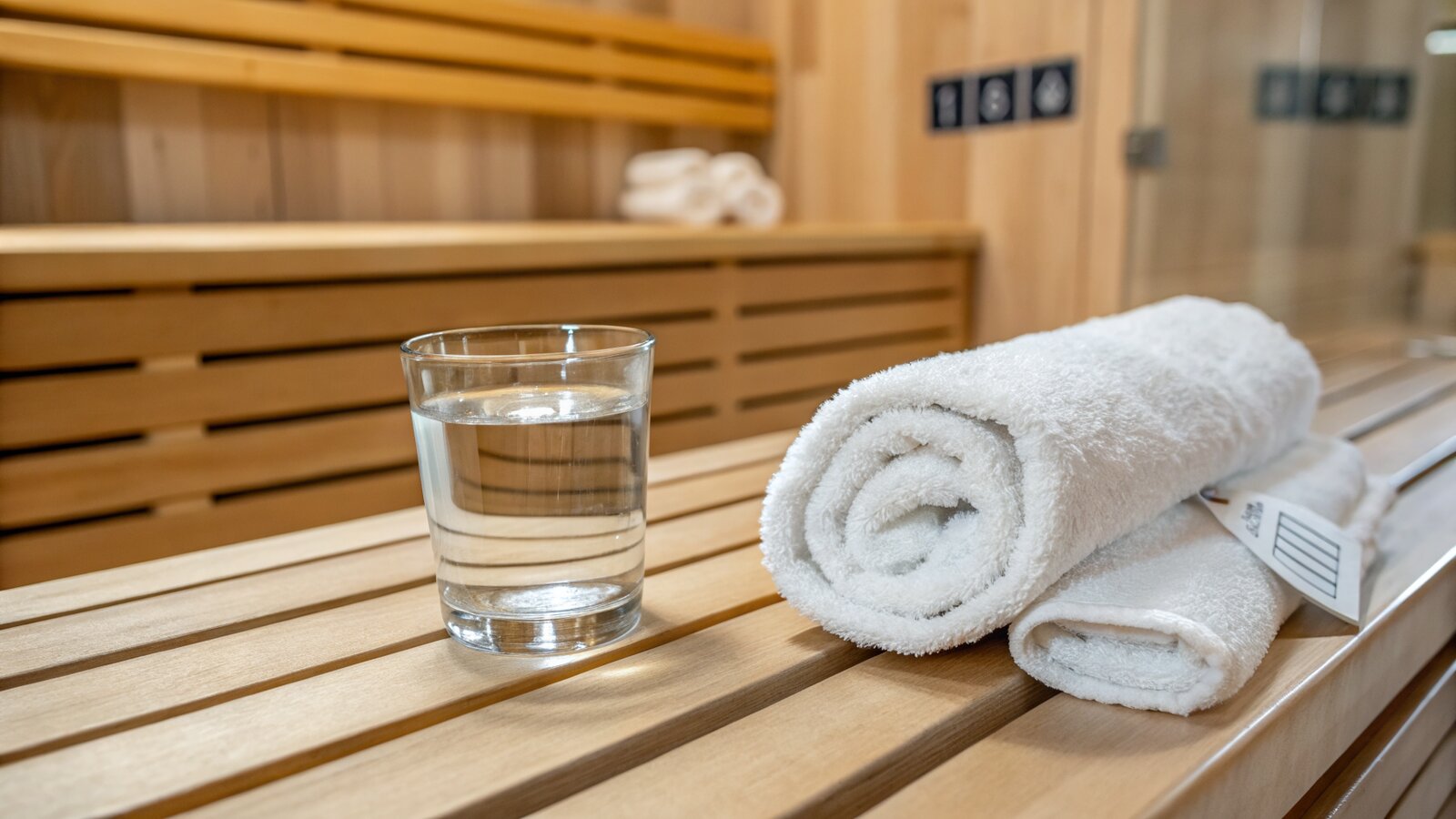
- Beginner (weeks 1 to 2): one or two sessions a week, 10 to 15 minutes each, at a lower temperature around 40°C to 45°C. See how you feel the next day before adding more.
- Intermediate (weeks 3 to 6): three to four sessions a week, 20 to 30 minutes each. This is where most people settle for the long term.
- Experienced (week 6 onwards): four to six sessions a week if you want, up to 30 to 45 minutes, at a temperature you find comfortable rather than punishing.
None of this is a competition. If life is busy, two good sessions a week still beat an ambitious plan you cannot keep. Consistency over months matters far more than a heroic first fortnight.
How long should each session last?
Most infrared sauna sessions run between 20 and 45 minutes. Around 20 minutes is enough to break a sweat and feel the relaxing effect; 30 to 40 minutes is a comfortable middle ground for regular users. Beyond about 45 to 60 minutes you reach diminishing returns and a rising risk of dehydration, so longer is not better.
Because infrared heats your body directly rather than heating the air, the cabin feels gentler than a traditional sauna at the same clock time, which is why people often sit for longer. Listen to your body, step out if you feel light-headed, and never fall asleep in a sauna.
Staying safe and hydrated
You sweat a lot in an infrared sauna, so hydration is the single most important safety point. Drink a glass of water before you go in, keep water with you, and rehydrate afterwards. NHS advice on coping in hot conditions, drink water and cool down if you feel unwell, applies just as much to a sauna at home.
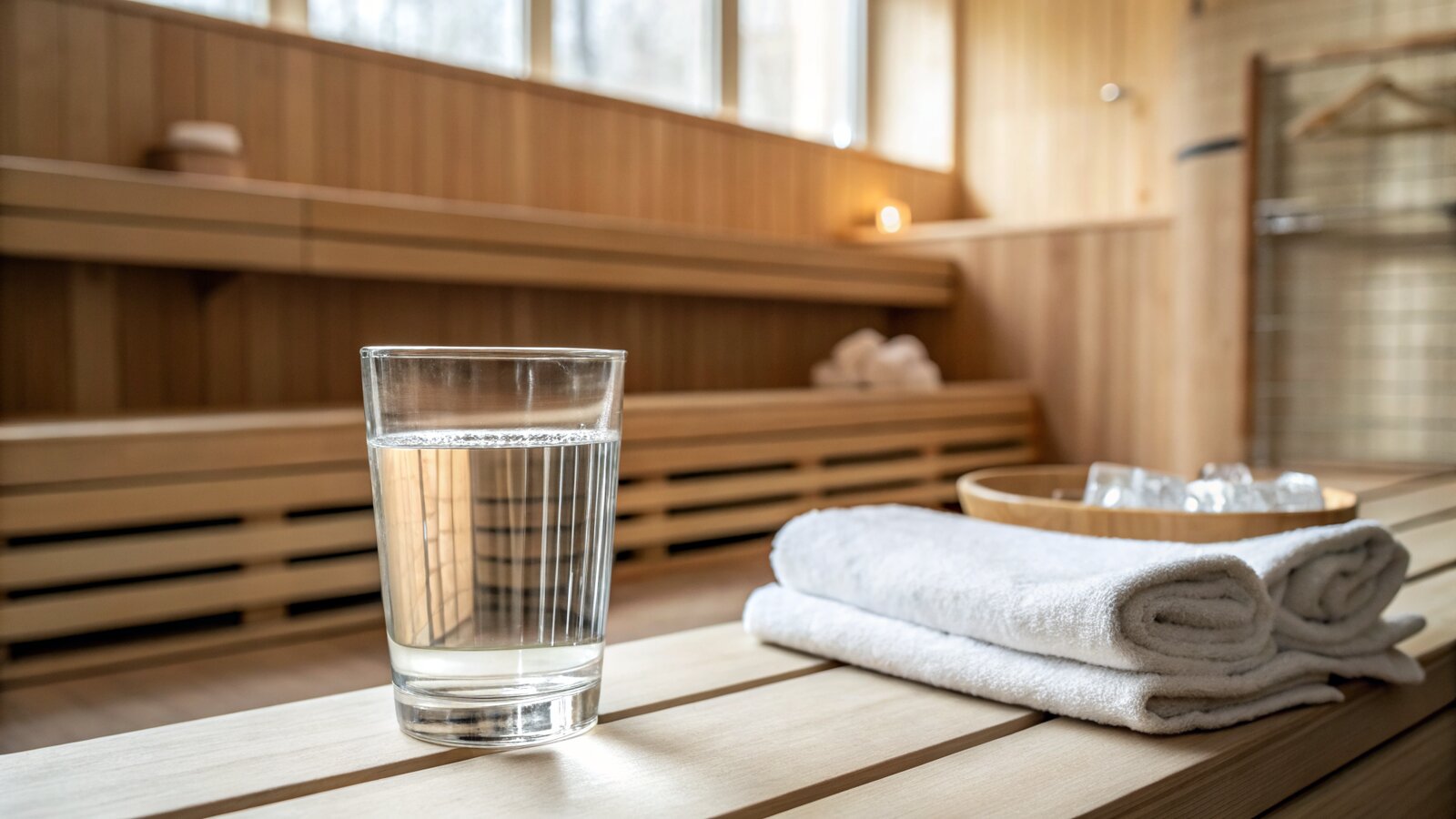
Skip your session, or check with your GP first, if you are pregnant, have low or high blood pressure, a heart condition, or are unwell or have been drinking alcohol. Heat is a stress on the body, and that stress is only useful when you are well enough to handle it.
Signs you are using it too much
More is not automatically better. Ease off the frequency or shorten your sessions if you notice:
- persistent tiredness, headaches or dizziness, which usually point to dehydration or too much heat
- poor sleep, or feeling wired rather than relaxed after evening sessions
- dry, irritated skin, or feeling drained the next day
These are signals to drink more water, drop a session, or lower the temperature, not to give up. A well-judged routine should leave you feeling relaxed and refreshed, not wiped out.
Building a sustainable infrared sauna habit
The best routine is the one you actually keep. Anchor your sessions to a fixed point in the week, after a workout, before bed on a Sunday, or on three weekday evenings, so they become automatic. Pair the sauna with something you enjoy, a podcast or quiet music, and keep a towel, water and a robe to hand so there is no friction.
For more on getting the most from a home sauna, including running costs and what to look for, browse the guides on the Shape House homepage. If you have any underlying health condition, the NHS website and your GP are the right places to check before starting a regular heat routine.
Frequently asked questions
Can you use an infrared sauna every day?
Yes, many people use an infrared sauna daily once they are used to it, because the lower temperatures are gentler than a traditional sauna. Build up gradually, keep sessions moderate, and stay well hydrated.
How long should a beginner stay in an infrared sauna?
Start with 10 to 15 minutes at a lower temperature of around 40°C to 45°C for your first couple of weeks. Add time and frequency only once you know how your body responds the next day.
What is the best time of day to use an infrared sauna?
There is no single best time. After exercise aids that relaxed, recovered feeling, while an evening session can help you wind down, though some people find it too stimulating close to bedtime. Experiment and pick what suits your sleep.
How much water should you drink around a sauna session?
Have a glass of water before you go in, sip during a longer session, and drink again afterwards to replace what you lose through sweat. If you feel dizzy or headachy, that is usually a sign to drink more and cut the session short.
Is it better to use an infrared sauna before or after a workout?
Most people prefer after a workout, when the heat supports relaxation and recovery. Using it before exercise can leave you fatigued and dehydrated for training, so keep any pre-workout session short and light.