
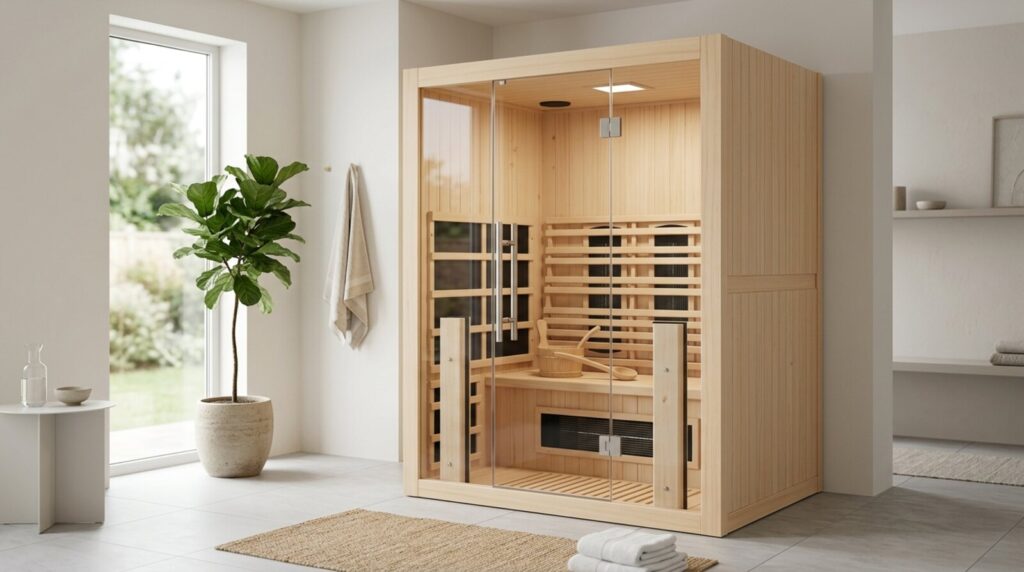
An infrared sauna is one of the few wellness purchases you live with daily for a decade or more, so a wrong choice is an expensive one. The market is full of cabins that look almost identical from the outside yet behave very differently once you sit inside them. This infrared sauna buying guide walks through the decisions that actually change your experience: the type of heat, how the heaters are built, the wood, the size, the electrics, and the safety paperwork that applies in the UK.
Unlike a traditional Finnish sauna, which heats the air to high temperatures, an infrared sauna warms your body directly with infrared light. The cabin air stays cooler, usually somewhere between 45C and 65C, while you still sweat. That lower air temperature is the reason many people find infrared more comfortable for longer sessions, and it shapes nearly every other choice you make.
Far infrared or full spectrum?
The first fork in the road is the type of infrared the cabin produces. Infrared sits in three bands: near, mid and far. Far infrared (often shortened to FIR) is the longest wavelength and the one most strongly associated with a deep, sweat-inducing warmth. Near infrared is shorter and is the band linked with light therapy claims around skin and tissue.
Far infrared cabins are the most common and the most affordable. They use carbon or ceramic emitters to produce that long wave warmth, they run efficiently, and they cover the core reasons most people buy a sauna: relaxation, sweating and recovery after training.
Full spectrum cabins add near and mid infrared on top of far infrared, usually through one or more high output halogen style emitters. They cost meaningfully more, often several hundred to a couple of thousand pounds above a comparable far infrared cabin, because of the extra heater hardware. They make sense if you specifically want near infrared output. For a first sauna bought mainly for comfort and recovery, a good far infrared cabin gives you most of what you are after for less money.
What the evidence actually shows
Be cautious with bold health claims on sales pages. The strongest long term research comes from traditional Finnish saunas, not infrared. A widely cited review in Mayo Clinic Proceedings summarised studies linking frequent sauna bathing with lower cardiovascular and all-cause mortality, but those findings come from hot, high temperature Finnish sauna use. You can read the review at mayoclinicproceedings.org. Infrared research is smaller and shorter, with some promising results for chronic pain and relaxation. Buy an infrared sauna because you will use it and enjoy it, and treat specific medical promises with healthy scepticism.
Heater type and EMF
The emitter technology is where cabins quietly diverge. Three types dominate far infrared cabins:
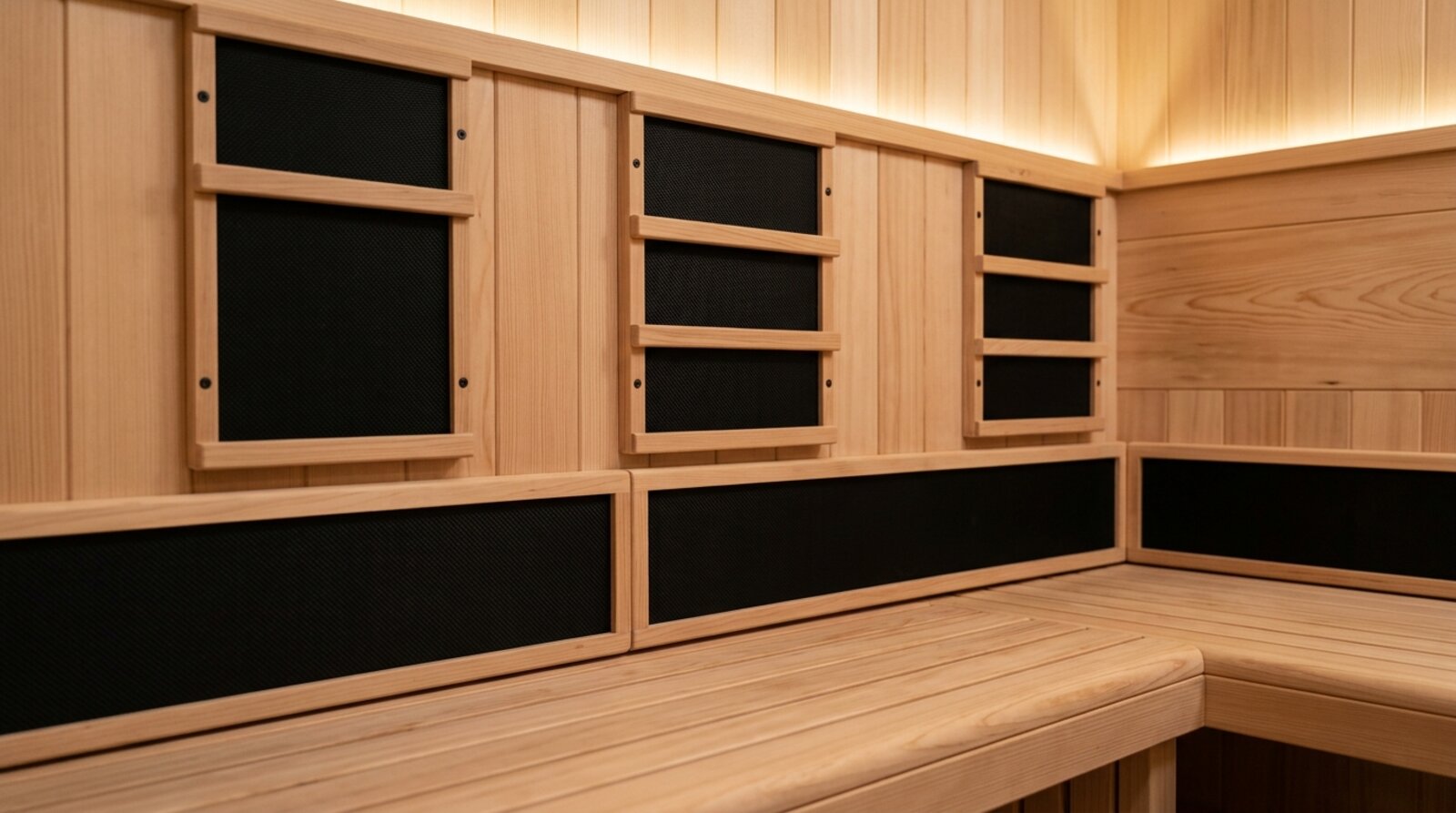
- Carbon panels. Large, flat panels that spread heat evenly across a wide surface. They run at a lower surface temperature, feel gentle, and tend to produce lower electromagnetic field (EMF) readings. Most quality home cabins now use these.
- Ceramic rods. Smaller emitters that get very hot in concentrated spots. They heat up quickly and produce intense localised warmth, but the heat is less even and can feel hotter on the skin nearest the rod.
- Carbon-ceramic hybrids. A combination that aims to pair the even spread of carbon with the punch of ceramic.
EMF is the safety topic buyers ask about most. All mains powered electrical devices emit some EMF. Reputable infrared sauna makers now design heaters and wiring to keep readings very low at the point where your body actually sits. There is no single UK legal limit aimed at saunas specifically, so the useful step is to ask the seller for independent EMF and ELF test figures measured where you sit, not just on the surface of the heater. A vague claim of “low EMF” with no numbers behind it tells you nothing.
Wood, build and finish
Most home infrared cabins are built from one of three woods, and the choice affects feel, smell, durability and price.
- Canadian hemlock. The most common choice. Durable, stable at the lower temperatures infrared cabins run at, and without a strong scent, which suits anyone who finds cedar overpowering. Usually the most affordable.
- Western red cedar. The traditional premium option. It resists moisture and warping well and has a distinctive aroma many people love. It costs more.
- Basswood. Pale, almost odourless and low in resins, which makes it a sensible pick for sensitive skin or fragrance sensitivity. It transfers little surface heat, so benches stay comfortable.
Beyond the species, check that the wood is described as untreated or finished with non-toxic materials inside the cabin, since you will be heating it and breathing the air. Glues and finishes that off-gas when warm are worth avoiding. Look at the glass thickness, the door seal, the bench construction and whether the floor is solid. These details separate a cabin that still feels solid in ten years from one that creaks within two.
Sizing for your space and your body
Sauna capacity is quoted in “persons”, and the numbers are optimistic. A “two person” cabin seats two people who are very comfortable with each other and gives one person a luxurious amount of room. If you mainly bathe alone but want to stretch out or occasionally share, size up by one.
Measure the real footprint, not just the internal seating. Allow clearance for the door to open and for airflow behind the cabin. Check the height too, especially in a loft or garage with sloping ceilings, and confirm the assembled cabin will fit through your doorways and round any tight stairwell. Many cabins ship as flat panels that clip together, which helps, but the largest single panel still has to get into the room.
UK electrics and Part P
This is the part of the buying decision that catches people out. Many smaller one and two person far infrared cabins are designed to run from a standard 13 amp UK socket, which is part of their appeal. Larger cabins, and most full spectrum models with their higher output emitters, draw more and need a dedicated higher rated circuit wired back to the consumer unit.
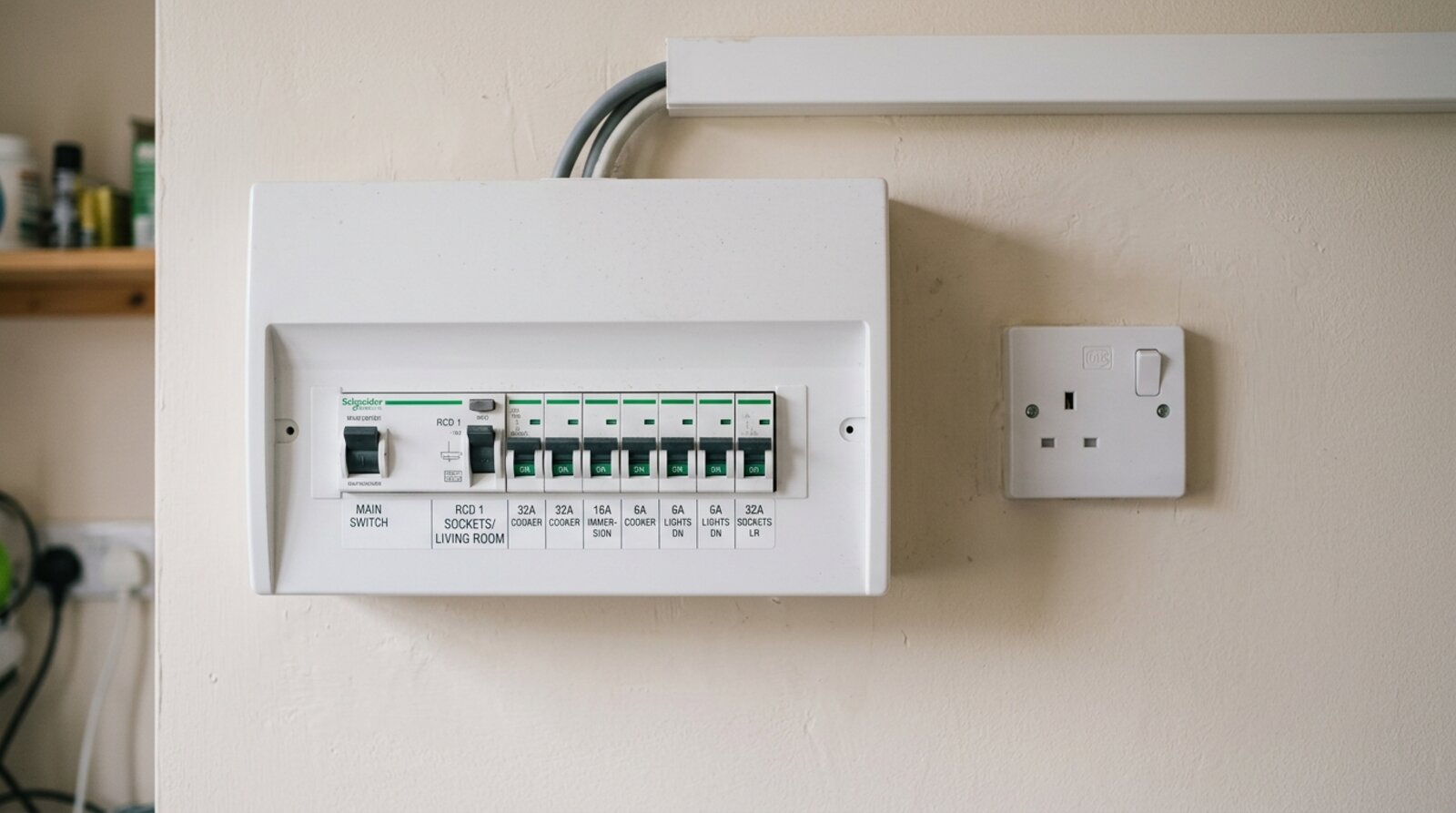
Two practical rules apply. First, even a plug-in cabin is happiest on its own dedicated socket rather than sharing a ring with other appliances, because the heaters draw steadily for long periods. Second, any fixed electrical work, such as installing a new dedicated circuit or socket, falls under Part P of the Building Regulations in England and Wales. A room containing a sauna heater counts as a special location under those regulations, so fixed wiring work there is treated as notifiable. You can read the official position on GOV.UK.
In practice that means using an electrician registered with a government approved competent person scheme such as NICEIC or NAPIT, who can self-certify the work, or notifying your local authority building control before work starts. The consumer guidance from Electrical Safety First explains how the scheme works. Skipping this is not just risky, it can cause problems when you later sell the house and a buyer’s solicitor asks for the certificate.
Certification, warranty and buying with confidence
Any infrared sauna sold for the Great Britain market should carry a conformity marking. The UK mark is UKCA, although the government continues to recognise CE marking alongside or in place of UKCA on most electrical products, so either marking is currently valid for GB. The official guidance sits on GOV.UK. Treat a cabin with no conformity marking at all as a warning sign.
On warranty, the spread across brands is wide. Some budget cabins offer one or two years, while established makers offer five years or more on the structure and heaters, and a few stretch to lifetime cover on certain parts. Read what the warranty actually covers, since heaters and the control panel are the components most likely to fail. Buy from a seller with a real UK presence and aftercare, because a cabin shipped direct from overseas with no local support becomes a problem the day a heater stops working.
Optional extras worth weighing up include chromotherapy (coloured mood lighting), Bluetooth audio, and a digital controller you can set before you get home. None of these change the quality of the heat, so do not let them distract you from the heaters, wood and electrics that matter most.
A simple decision checklist
- Decide far infrared (most buyers) or full spectrum (if you specifically want near infrared).
- Insist on EMF figures measured where you sit, not just at the heater.
- Pick the wood for scent, skin sensitivity and budget, and confirm non-toxic internal finishes.
- Size up by one person if you want room to stretch out.
- Check whether it runs on a 13 amp socket or needs a dedicated circuit, and budget for a registered electrician if so.
- Confirm a valid UKCA or CE marking and a warranty that covers the heaters.
Get those six right and the rest is personal taste. For more on infrared therapy, cold plunge recovery and building a home wellness space, browse the rest of The Shape House.
Frequently asked questions
Can an infrared sauna run on a normal UK plug socket?
Many one and two person far infrared cabins are designed to run from a standard 13 amp socket, ideally a dedicated one that is not shared with other heavy appliances. Larger cabins and most full spectrum models draw more current and need a dedicated higher rated circuit wired by a qualified electrician. Always check the manufacturer’s stated electrical requirement before you buy.
Is the EMF from an infrared sauna dangerous?
All mains powered devices emit some electromagnetic field. Quality infrared sauna makers design heaters and wiring to keep readings very low at the point where your body sits. There is no UK limit aimed specifically at saunas, so the sensible step is to ask the seller for independent EMF and ELF test figures measured where you sit rather than relying on a vague “low EMF” label.
Which is better for the heat, far infrared or full spectrum?
For the deep, sweat-inducing warmth most people associate with infrared, far infrared does the job and costs less. Full spectrum adds near and mid infrared through extra emitters, which raises the price and suits buyers who specifically want near infrared output. For a first home sauna bought for comfort and recovery, a good far infrared cabin is usually the better value choice.
What size infrared sauna should I buy?
Capacity ratings are optimistic, so a “two person” cabin really suits one person comfortably or two who do not mind being close. If you bathe alone but want to lie back or occasionally share, size up by one. Measure the real footprint, allow clearance for the door and airflow, and confirm the panels will fit through your doorways and stairwell.
Do I need to tell building control about installing one?
If you only plug a cabin into an existing suitable socket, that is not notifiable work. If you have new fixed wiring installed, such as a dedicated circuit, that falls under Part P of the Building Regulations in England and Wales, and a room containing a sauna heater is treated as a special location where such work is notifiable. Use an electrician registered with a competent person scheme, or notify building control before work begins.
How much maintenance does an infrared sauna need?
Far less than a traditional steam sauna. Wipe the benches and floor after use to manage sweat, air the cabin with the door open, and occasionally clean the glass. There is no water system, no stones and no high humidity, so the wood is under much less stress, which is part of why infrared cabins tend to last well with light care.
Related guides
- Infrared Sauna vs Traditional Sauna: Which Is Right for You?
- How Much Does an Infrared Sauna Cost in the UK? Full Price Breakdown
- 1-Person vs 2-Person Infrared Sauna: Which Size Is Right for You?
- Carbon vs Ceramic Infrared Sauna Heaters: What’s the Difference?
- How Much Does It Cost to Run an Infrared Sauna at Home? (UK Energy Costs)
- What to Look for When Buying an Infrared Sauna: 12 Questions to Ask First