
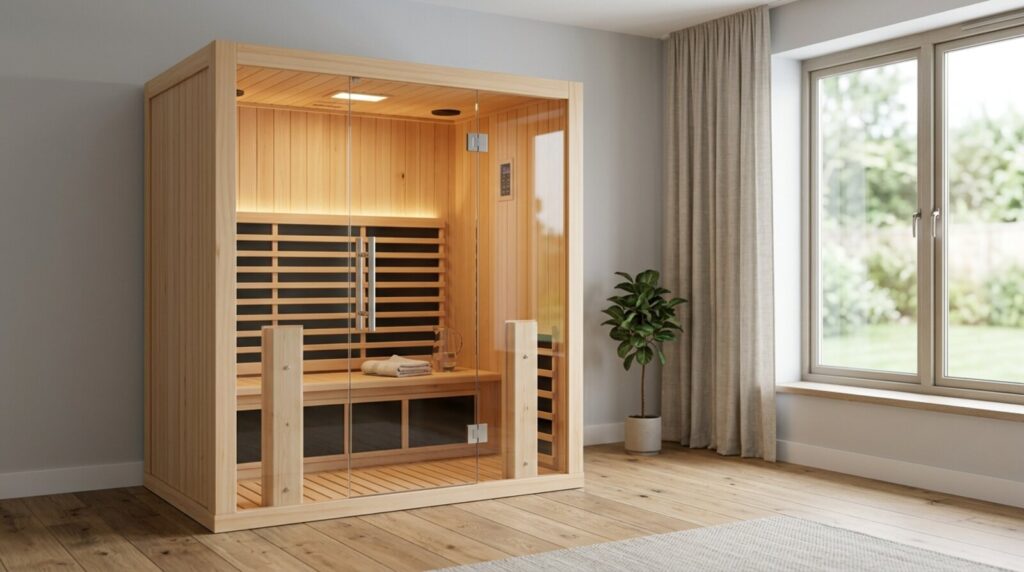
An infrared sauna is one of the larger wellness purchases a UK household makes, and the headline price on a retailer’s page is rarely the whole story. Delivery, electrical work and the cost of every session all add up over the years you own it. This guide sets out realistic price bands for each size and type sold in Britain, explains what actually pushes the figure up or down, and gives running costs worked out against the current electricity price cap. No figures here are tied to any single product or shop; they are the ranges you should expect to see when you compare like for like.
Infrared sauna prices by size and type
Capacity is the first thing that sets the price, but the type of unit matters just as much. A sauna blanket and a four-person full-spectrum cabin are both “infrared”, yet they sit at opposite ends of the market. The bands below reflect what UK retailers were charging in mid-2026 for new units, excluding sale promotions and bundled accessory offers.
- Infrared sauna blanket (budget entry): roughly £100 to £600. This is the cheapest way to try infrared heat at home. You lie inside a heated wrap rather than sitting in a cabin. Low-EMF and zero-EMF models sit at the top of that band.
- 1-person cabin: roughly £1,200 to £2,800. A compact upright cabin for one user, usually far-infrared with carbon or ceramic heaters.
- 2-person cabin: roughly £1,800 to £3,500. The most common home size; wide enough to sit side by side or lie back.
- 3 to 4-person cabin: roughly £2,800 to £5,500. Larger footprint, more heaters and usually a higher overall power draw.
- Corner units: typically priced in line with their 2 to 4-person rectangular equivalents, sometimes with a modest premium for the angled cabinetry that fits a room corner.
- Premium full-spectrum cabins: roughly £4,000 to £9,000 and beyond. Full-spectrum means the unit produces near, mid and far-infrared rather than far-infrared alone, and these models tend to carry the heaviest specification across the board.
Use these as sighting shots, not quotes. Within any one band the difference between the cheapest and dearest unit comes down to the features below.
What actually drives the cost
Two cabins of the same size can differ by well over a thousand pounds. These are the components doing the work.
Heater type: carbon versus ceramic
Carbon heaters spread heat across a larger surface area at a lower, more even temperature, and they are usually the dearer option. Ceramic heaters run hotter in concentrated spots and tend to be cheaper. Some cabins combine both. Heater type affects comfort and warm-up time more than it affects results, so it is a value judgement rather than a must-have.
Far-infrared versus full-spectrum
Far-infrared cabins emit the longer wavelengths associated with deep, sweat-inducing heat and make up most of the home market. Full-spectrum units add near and mid-infrared emitters, which is a genuine reason for a higher price. If a listing claims “full-spectrum” but costs the same as a basic far-infrared box, read the heater specification closely before believing it.
Low-EMF and low-ELF construction
Electromagnetic field (EMF) levels are a common selling point. Better cabins and blankets use shielded wiring to keep EMF readings low, and the genuine low-EMF and zero-EMF models cost more to build. If this matters to you, look for a stated, measured EMF figure rather than the words alone.
Wood type: hemlock versus cedar
Canadian hemlock is the standard cabin timber and keeps the price sensible. Western red cedar is more expensive, more aromatic and more resistant to moisture, so cedar cabins sit higher in their band. The wood is structural and cosmetic; it does not change the infrared output.
Extras: chromotherapy, audio and controls
Chromotherapy (colour-changing LED lighting), Bluetooth speakers, reading lights, oxygen ionisers and digital touch controls all add to the ticket. None of them is essential. They are the easiest place to save money if the cabinet and heaters are what you actually care about.
Delivery, installation and electrics
A cabin is heavy and ships flat-packed in several large boxes. Many retailers offer free kerbside delivery, but getting the boxes through the house and assembling the cabin is usually down to you, and a two-person job at that. Paid white-glove delivery and assembly is sometimes available and worth budgeting a few hundred pounds for if you cannot lift and build it yourself. Sauna blankets, by contrast, arrive as a single parcel and need no assembly.
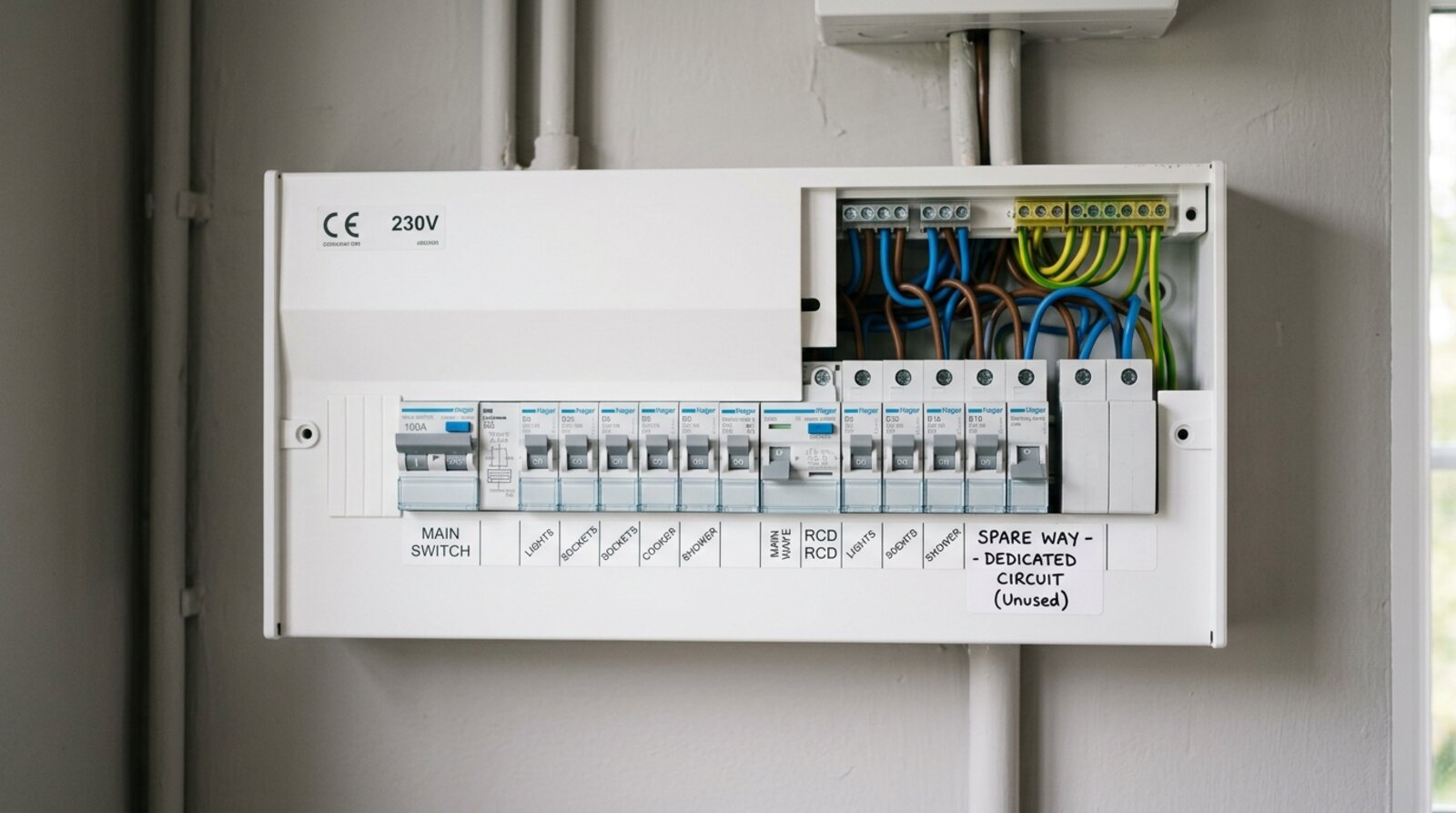
The electrics deserve real attention. Most one and two-person infrared cabins are designed to run from a standard 13A three-pin socket, and ideally that socket should be on its own dedicated circuit so the sauna is not sharing the load with a kettle or a heater elsewhere on the ring. Larger three and four-person cabins, and many full-spectrum units, draw more than a 13A socket can safely supply and need a new dedicated circuit wired back to the consumer unit. That is fixed electrical work and, in England and Wales, installing a complete new circuit is notifiable work under Part P of the Building Regulations. The job should be done by an electrician registered with a competent person scheme, who can self-certify it, or be notified to Building Control beforehand. The Planning Portal sets out which electrical jobs are notifiable. Check the unit’s stated power requirement before you buy, then factor in an electrician’s fee where a new dedicated circuit is needed.
Running costs per session
The session cost depends on the cabin’s power draw and how long you run it. From 1 July 2026 the Ofgem energy price cap set the average electricity unit rate at 26.11p per kWh on a standard variable tariff paying by direct debit, with a daily standing charge of 57.19p (your rate varies by region and tariff). The standing charge is fixed whether you use the sauna or not, so the figures below cover only the energy the sauna burns.
- Small 1-person cabin, around 1.5kW: a 30-minute session uses roughly 0.75kWh, about 20p. Pre-heating included, allow around 30p.
- 2-person cabin, around 2kW: a 45-minute session uses roughly 1.5kWh, about 39p.
- 3 to 4-person cabin, around 3kW: a 45-minute session uses roughly 2.25kWh, about 59p; a full hour pushes it past 75p.
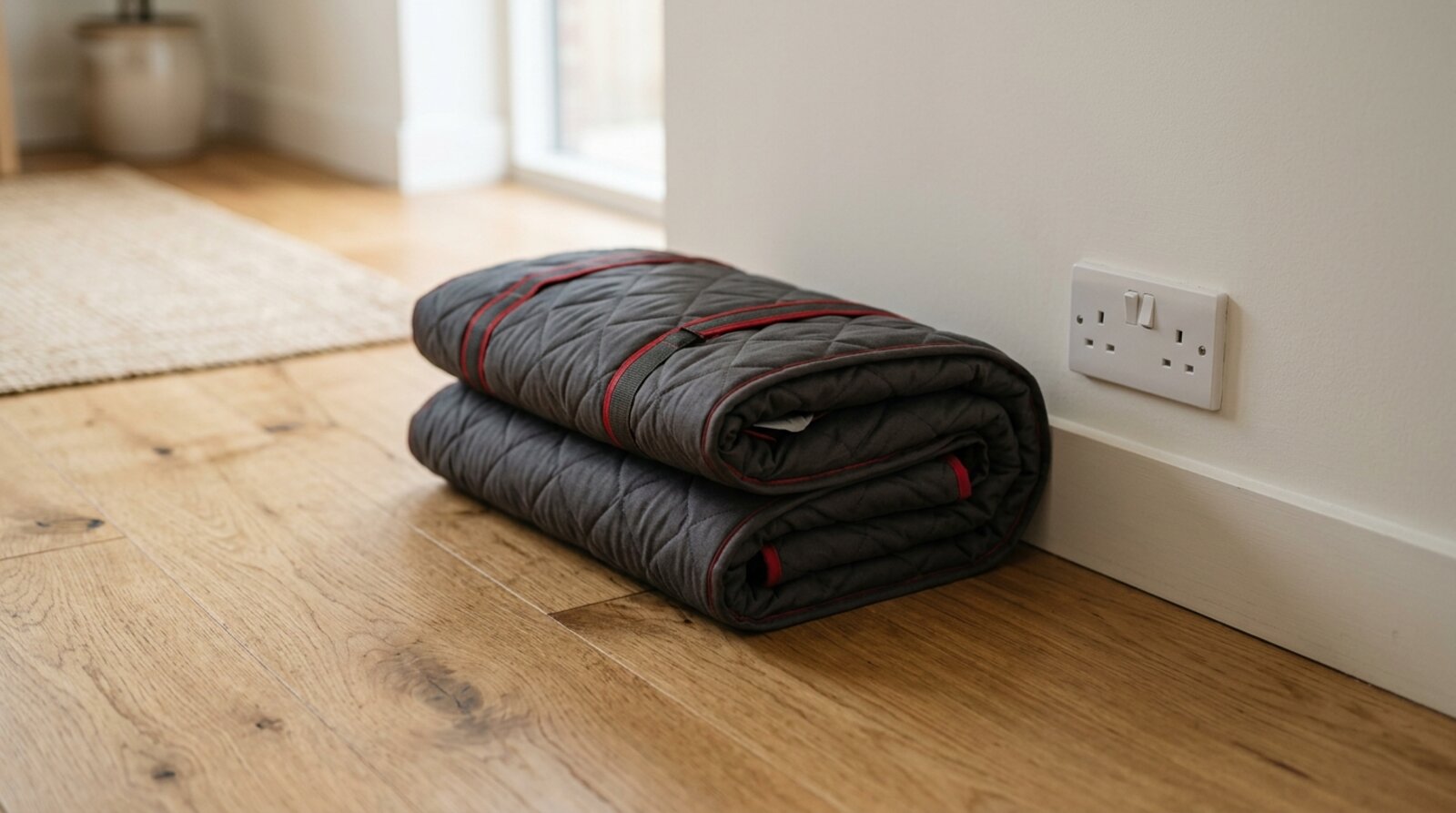
- Sauna blanket, around 0.5 to 0.9kW: a 45-minute session typically costs under 20p.
Infrared cabins warm up faster and at lower temperatures than traditional steam saunas, so they are cheaper to run than many people assume. For three sessions a week in a 2kW two-person cabin, you are looking at somewhere around £5 to £6 a month in electricity, before the standing charge you already pay.
Is it worth the cost?
The honest answer depends on use. Spread the purchase price over the years you will own it and add the running cost, and a regularly used home cabin is far cheaper per session than a gym or spa that charges per visit. A unit that sits unused after the first month is expensive whatever it cost. If you are unsure whether you will keep the habit, a sauna blanket is a low-risk way to find out for a fraction of the outlay before committing to a cabin. For more on choosing and living with a home infrared sauna, see the rest of The Shape House.
Frequently asked questions
How much does an infrared sauna cost in the UK?
Expect roughly £100 to £600 for a sauna blanket, £1,200 to £2,800 for a one-person cabin, £1,800 to £3,500 for a two-person cabin, £2,800 to £5,500 for a three to four-person cabin, and £4,000 upwards for premium full-spectrum models. Delivery and any electrical work are on top.
Can I plug an infrared sauna into a normal socket?
Most one and two-person infrared cabins run from a standard 13A socket, ideally one on its own dedicated circuit. Larger three and four-person cabins and many full-spectrum units exceed what a 13A socket supplies and need a new dedicated circuit installed by a registered electrician under Part P.
How much does it cost to run an infrared sauna per session?
At the July 2026 price cap rate of 26.11p per kWh, a 2kW two-person cabin used for 45 minutes costs roughly 39p in electricity. A small one-person unit is around 20 to 30p, and a larger three to four-person cabin can reach 60 to 80p for a longer session.
Are sauna blankets a real alternative to a cabin?
For one person who mainly wants the heat and sweat, yes. A blanket costs far less, needs no installation and uses very little electricity. It will not give you the seated, room-like experience or shared use of a cabin, but it is the sensible budget entry point and a good way to test the habit.
Does the wood type change the performance?
No. The infrared output comes from the heaters, not the timber. Hemlock is the affordable standard, while western red cedar costs more for its scent, moisture resistance and appearance. Choose on budget and looks, not on any claimed difference in results.
What extra costs should I budget for beyond the sticker price?
Plan for delivery into the house and assembly (a two-person job, or a paid white-glove service of a few hundred pounds), an electrician’s fee where a new dedicated circuit is required, and the ongoing per-session electricity cost. Optional extras such as chromotherapy lighting and audio add to the purchase price but are not essential.
Related guides
- Infrared Sauna Buying Guide: How to Choose the Right One for Your Home
- Infrared Sauna vs Traditional Sauna: Which Is Right for You?
- Home Wellness News: June 2026
- 1-Person vs 2-Person Infrared Sauna: Which Size Is Right for You?
- Carbon vs Ceramic Infrared Sauna Heaters: What’s the Difference?
- How Much Does It Cost to Run an Infrared Sauna at Home? (UK Energy Costs)
- What to Look for When Buying an Infrared Sauna: 12 Questions to Ask First
- Are Infrared Saunas Worth It? An Honest Look at the Cost vs Benefits
- Sauna and Home Wellness News: Mid-June 2026