
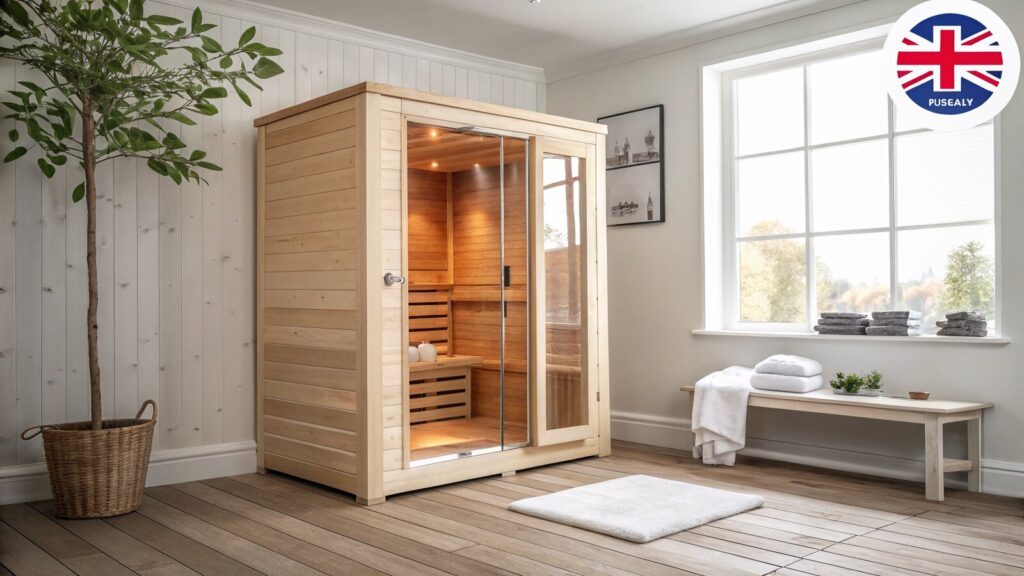
Infrared saunas sit somewhere between a genuine wellness habit and a piece of expensive marketing. The honest answer to whether they are worth it depends on three things: what you pay, what you realistically get back, and whether you will actually use it. This guide separates the claims that hold up from the ones that do not, using UK costs and the current state of the research rather than showroom copy.
If you are weighing up a purchase for a UK home, the short version is this. An infrared sauna can be a worthwhile relaxation and recovery tool if you value the ritual and will use it several times a week. It is a poor buy if you are chasing detox or meaningful weight loss, because the evidence there is thin. The rest of this article explains why.
What an infrared sauna actually costs in the UK
Prices vary widely by size, build quality and features. For a sense of the market in 2026, smaller one and two person cabins typically start around the lower thousands and rise from there, while larger three and four person units commonly sit in the mid to high thousands. Premium full spectrum builds climb well beyond that. Features that push the price up include low EMF heaters, full spectrum (near, mid and far infrared), chromotherapy lighting and built in audio.
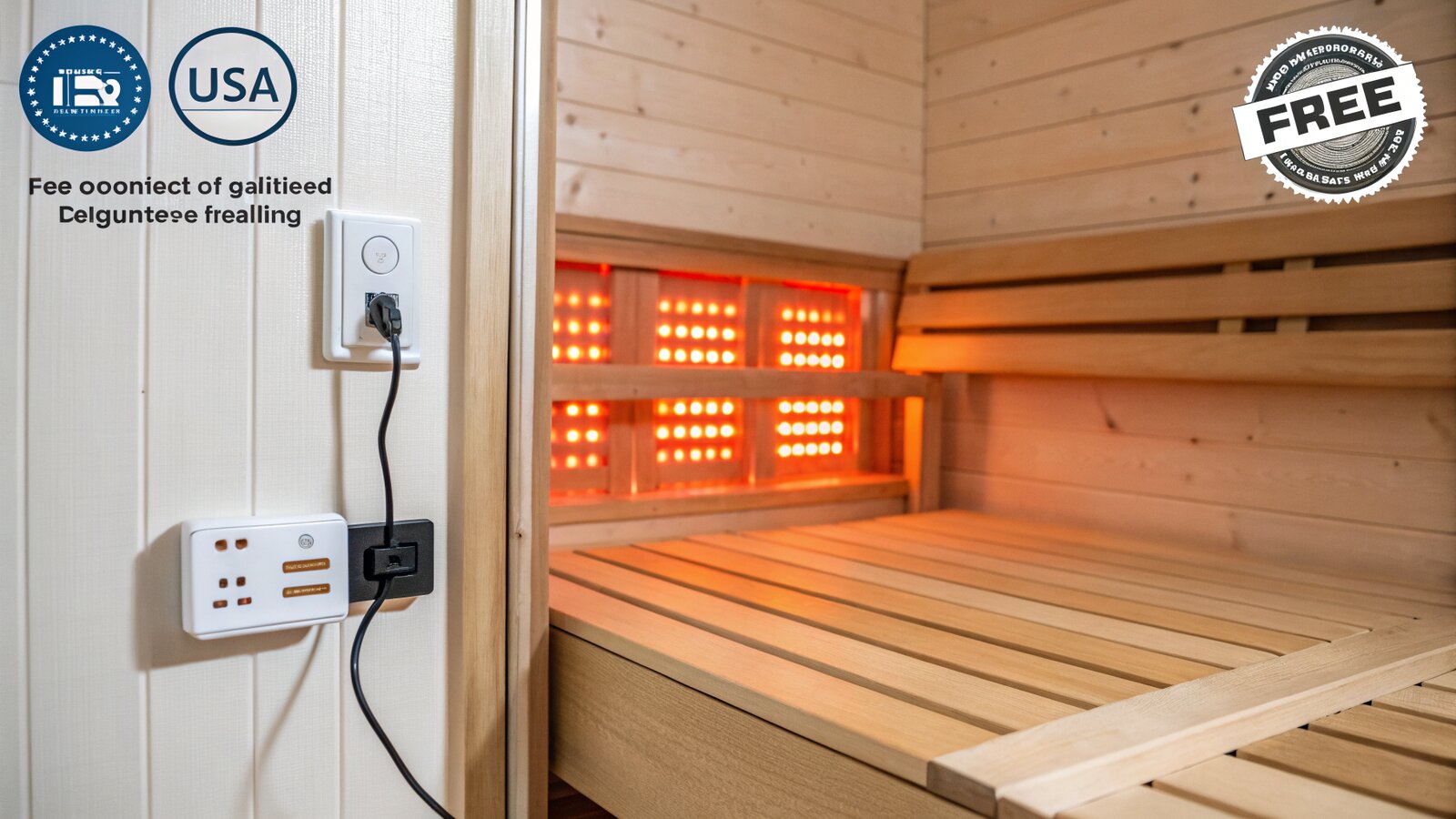
One practical advantage over a traditional Finnish sauna: most home infrared cabins are rated under 3kW and plug into a standard 13 amp socket, so you usually avoid the cost of a dedicated electrical circuit or a fitter. That keeps the installed price lower than a steam or stove sauna, which often needs hard wiring.
Running costs are modest but not trivial. A one person infrared cabin typically draws around 1.2 to 1.8kW, and a two person unit roughly 1.4 to 2.0kW. Under the Ofgem price cap for 1 April to 30 June 2026, electricity is capped at an average of 24.67 pence per kWh for direct debit customers (see the Ofgem price cap figures). On that basis a 45 minute session in a 1.5kW cabin costs roughly 28 pence in electricity, and a 2kW cabin around 37 pence. Infrared also heats up faster than a stove sauna, so you waste less energy pre warming an empty room.
Add it up over a year of regular use and the energy bill is small relative to the purchase price. The real cost is the upfront outlay, plus the floor space you give over to a cabin you may or may not keep using.
What the evidence actually supports
This is where buyers get misled, so it is worth being precise. A large part of the published sauna research is on traditional Finnish saunas, not infrared. The best known example is the Finnish Kuopio Ischemic Heart Disease study, published in JAMA Internal Medicine in 2015, which followed around 2,300 middle aged men. It found that men using a sauna four to seven times a week had a lower risk of sudden cardiac death and fatal cardiovascular disease than those using it once a week. That is an association from an observational study, not proof that the sauna caused the benefit, and it was a Finnish stove sauna, not an infrared cabin.
Infrared specific research exists but is mostly small and short term. With that caveat, the more credible benefits are:
- Relaxation and stress. The warmth, quiet and routine are genuinely calming for many people. This is the most consistent real world benefit and the main reason regular users keep going.
- Recovery and pain relief. Heat increases circulation and can ease muscle soreness and stiffness. Several small studies report temporary pain relief for conditions such as arthritis, though trial quality is mixed.
- Cardiovascular response. Heat raises your heart rate and dilates blood vessels, producing a mild response similar to light exercise. The longer term heart outcomes seen in Finnish data are promising but were measured for traditional saunas, so treat infrared claims as plausible rather than proven.
- Skin. Some small human studies and lab work suggest infrared can support collagen and skin texture over weeks to months. Notably, much of this evidence comes from targeted red and near infrared light devices with defined wavelengths, not whole room saunas, so the effect from a general cabin is less certain.
The pattern across all of these is the same: the direction of benefit looks favourable, but the infrared specific evidence is limited, and a lot of the strong numbers quoted in marketing are borrowed from traditional sauna studies.
The claims that do not hold up
Two selling points deserve outright scepticism.
Detox. The idea that you sweat out meaningful toxins does not match how the body works. Your liver and kidneys do almost all of the body’s detoxification. Sweat is roughly 99 per cent water with a small amount of salts and trace waste, so the quantity of anything meaningful you lose through sweating is tiny. Buy a sauna to relax, not to cleanse.
Major weight loss. Any weight you lose in a session is water, and you replace it as soon as you rehydrate. There is no reliable peer reviewed evidence that infrared saunas drive significant long term fat loss on their own. Studies that showed short term weight changes generally did not control diet and exercise, so they cannot pin the result on the sauna. If a brand tells you the heat melts fat, treat the rest of its claims with caution too.
Mainstream medical guidance takes a measured line. Infrared saunas appear safe for most healthy people and may help with relaxation and some symptoms, but the high quality evidence for dramatic health claims is not there yet.
Who it suits, and who it does not
An infrared sauna is most likely worth it if you recognise yourself in these:

- You already enjoy heat bathing and will use it three to four times a week. Consistency is where the benefits, real and perceived, come from.
- You want a low effort recovery and wind down ritual after training or a long day, and you value that for its own sake.
- You have the floor space and own your home, so installation and resale are not a problem.
It is probably not worth it if:
- You are buying it for detox or weight loss. You will be disappointed.
- You suspect it will become a clothes rail after a month. Be honest about your habits.
- You have a relevant medical condition. If you are pregnant, have low blood pressure, a heart condition or take medication that affects how you handle heat, check with your GP before using one.
If you want to test the experience before committing thousands, sauna rental and pay per session studios are widely available across the UK and let you find out whether the habit sticks.
The honest verdict
An infrared sauna is a comfort and recovery purchase first, and a health investment second. For the relaxation, the warmth and the routine, plenty of owners find it well worth the money, and the running costs are low. As a treatment for disease, a detox machine or a slimming aid, it is oversold, and the infrared specific science is not strong enough to justify those promises. Buy it for the things it genuinely does, use it regularly, and ignore the marketing that reaches further than the evidence. For more buying guides and home wellness comparisons, see the homepage.
Frequently asked questions
How much does it cost to run an infrared sauna in the UK?
For a typical 1.5kW to 2kW cabin, a 45 minute session costs roughly 28 to 37 pence in electricity at the 24.67 pence per kWh average under the Ofgem price cap for April to June 2026. Used a few times a week, the yearly energy cost is small compared with the purchase price.
Is an infrared sauna better than a traditional sauna?
They are different rather than strictly better. Infrared heats your body directly at a lower air temperature, warms up faster, and usually plugs into a standard socket. Traditional Finnish saunas run hotter, allow steam, and have the larger body of long term health research behind them. The best choice depends on the experience you prefer and your installation constraints.
Do infrared saunas help you lose weight?
Not in any lasting way. The weight you drop during a session is water and returns once you rehydrate. There is no reliable evidence that infrared saunas cause meaningful fat loss on their own, so treat weight loss claims as marketing.
Are infrared saunas safe?
For most healthy adults they appear safe when used sensibly, with short sessions and good hydration. If you are pregnant, have a heart condition or low blood pressure, or take medication affecting heat tolerance, speak to your GP before using one.
How often should you use an infrared sauna to see a benefit?
Studies showing measurable effects generally used sessions three to four times a week, each around 20 to 45 minutes. Occasional use is fine for relaxation, but regular use is what most research is based on.
Can you install an infrared sauna without an electrician?
Often yes. Most home infrared cabins are rated under 3kW and plug into a standard 13 amp socket, so they do not need hard wiring. Always check the manufacturer’s electrical rating and make sure the circuit can handle the load.
Related guides
- Heat Pump vs Gas Boiler in 2026: Real Running Costs for UK Homes
- Underfloor Heating vs Radiators: UK Cost, Comfort and Retrofit Guide
- Home Sauna Cost UK 2026: Install Price and Running Cost per Session
- Porcelain vs Ceramic Tiles for Bathrooms and Wet Rooms: Cost, Durability and Where Each One Actually Belongs
- How to Stop Bathroom Condensation and Damp for Good: Extractor Fans vs MVHR Compared for UK Homes
- Microcement vs Tiles for a Wet Room: Real Costs, Cracking Risk and Which Lasts Longer in the UK
- Air Source vs Ground Source Heat Pumps: Which Suits a UK Home?
- How to Cut Your Heating Bills: Proven Steps for UK Homes
- Home Wellness News: June 2026
- 1-Person vs 2-Person Infrared Sauna: Which Size Is Right for You?
- Carbon vs Ceramic Infrared Sauna Heaters: What’s the Difference?
- How Much Does It Cost to Run an Infrared Sauna at Home? (UK Energy Costs)
- What to Look for When Buying an Infrared Sauna: 12 Questions to Ask First
- Sauna and Home Wellness News: Mid-June 2026
- Sauna Blanket vs Infrared Sauna: Which Is Actually Worth It?
- Red Light Therapy vs Infrared Sauna: Benefits and Key Differences
- Far Infrared vs Near Infrared Sauna: Which Wavelength Do You Need?
- Infrared Sauna vs Steam Room: Heat, Benefits and Home Setup Compared
- Home Wellness News: Late June 2026
- Infrared Sauna Benefits: What the Evidence Actually Shows
- Infrared Sauna for Weight Loss: Does It Really Burn Fat?
- Infrared Sauna for Skin: Collagen, Glow and Anti-Ageing Explained
- Home Wellness News: Early July 2026
- Infrared Sauna Detox: What Your Sweat Can and Can’t Remove
- Infrared Sauna Before or After a Workout? The Best Timing for Recovery
- What to Wear in an Infrared Sauna (and What to Avoid)
- Home Wellness News: Mid-July 2026
- Infrared Sauna for Beginners: A First-Month Session Plan
- Infrared Sauna Temperature and Session Length: A UK Guide
- Infrared Sauna Blanket UK: The Complete Buyer’s Guide
- Do Sauna Blankets Actually Work? What the Evidence Shows
- How to Use a Sauna Blanket: Setup, Timing and Cleaning
- Are Infrared Sauna Blankets Safe? EMF, Burns and Skin Contact
- Home Wellness News: Mid-July 2026
- Sauna Blanket vs Sauna Dome vs Tent: Which Portable Option Wins?
- Contrast Therapy at Home: How to Combine Sauna and Cold Plunge
- Cold Plunge Benefits: What Ice Baths Do for Recovery and Mood
- Sauna Before or After Cold Plunge? The Right Order
- Ice Bath Temperature and Time: A Beginner’s Guide
- Best Cold Plunge Tubs for a Home Setup: UK Buyer’s Guide (2026)
- Home Wellness Room Ideas: Sauna, Cold Plunge and Recovery Space
- Where to Put an Infrared Sauna in Your House: 7 Best Locations
- Infrared Sauna Installation Requirements UK: Space and Electrics
- Can You Put an Infrared Sauna Outside? Garden Sauna Rules