
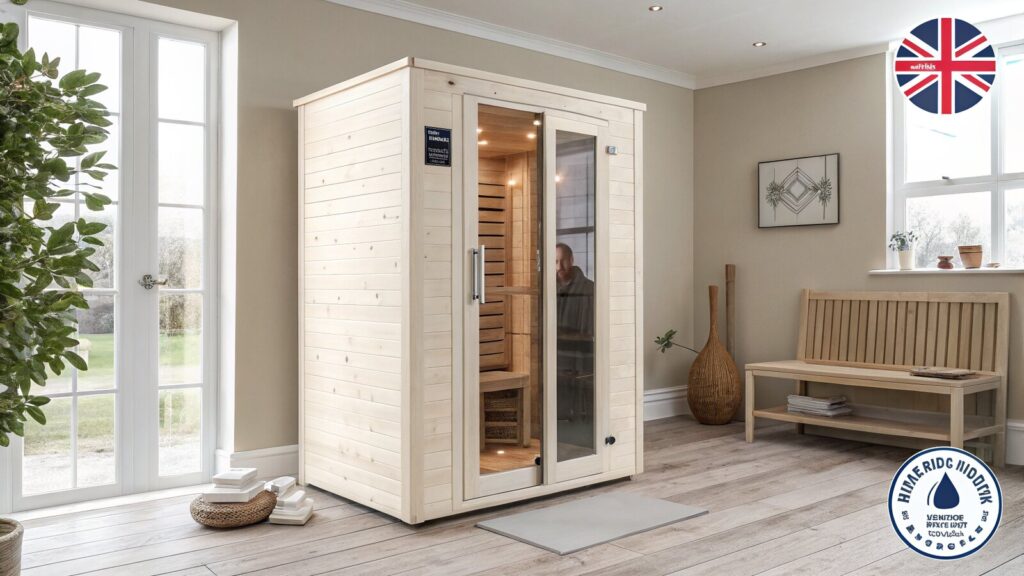
A home infrared sauna is a meaningful purchase, often costing more than a sofa and meant to last a decade or more. The market is crowded with near-identical cabins sold under different brand names, glossy claims about detox and fat-burning, and specification sheets that conveniently leave out the things that matter. The questions below are the ones a careful buyer actually needs answered before parting with money. Each comes with a concrete answer so you can tell a serious manufacturer from a re-badged import. If you are still researching the basics of how these cabins work, start at The Shape House and come back to this checklist when you are ready to compare specific models.
1. What type of heater does it use: carbon, ceramic or full-spectrum?
This is the single biggest decision. Carbon panel heaters are large, flat and warm a wide surface at a gentle, even temperature; they tend to reach working heat in roughly ten to fifteen minutes. Ceramic heaters run hotter at the source and can produce a more intense, localised heat, but they typically take longer to warm up and the heat is less evenly spread. Full-spectrum heaters add near and mid infrared wavelengths alongside the far infrared that carbon and ceramic produce, and they usually sit at the premium end. None is automatically “best”: carbon suits most people who want comfortable daily sessions, while full-spectrum appeals to buyers chasing specific near-infrared exposure. Ask exactly which panels are fitted, how many, and where they sit, because heaters only on the back wall will not warm your shins and feet well.
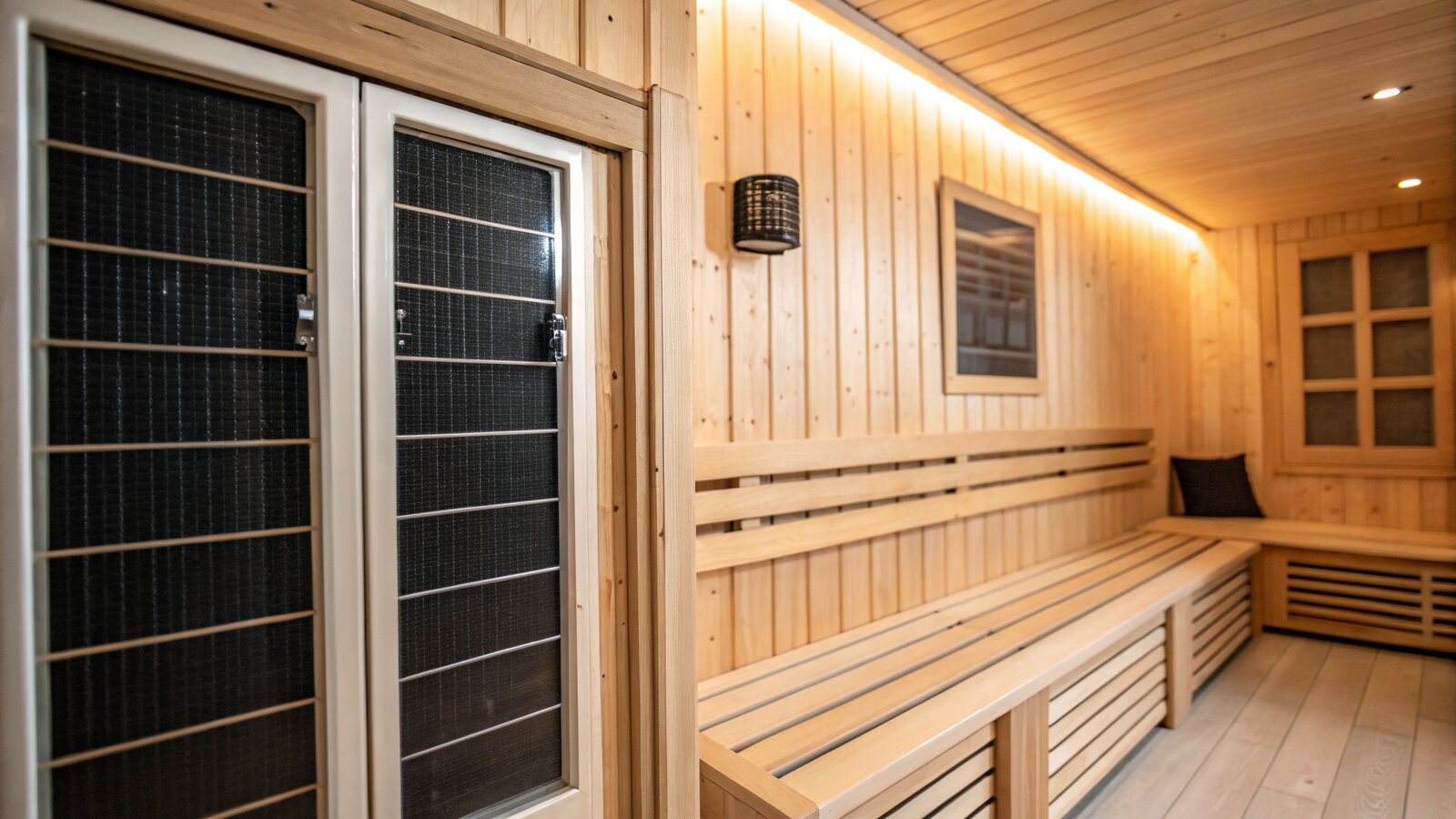
2. What are the EMF and ELF levels, and how are they verified?
Any mains-powered heater produces electromagnetic fields. With an infrared sauna you sit close to the heaters for long sessions, so low-EMF and low-ELF (extremely low frequency) design is a fair thing to ask about. The catch is that “low EMF” is an unregulated marketing phrase. A credible manufacturer will publish an independent third-party test report showing measured field readings at a stated distance from the panels, not just a logo or a one-line claim. Be wary of figures with no test conditions attached. For context on how everyday mains appliances at 50 Hz produce these fields and how UK exposure compares with recognised limits, the UK government’s overview on electromagnetic fields, sources and health effects is a sober reference point that puts the marketing into perspective.
3. What wood is it built from, and what glues or finishes are used?
Most cabins use Canadian hemlock, western red cedar or basswood. Hemlock is the common, lower-cost option and is largely odourless. Cedar is the traditional sauna timber, naturally aromatic and rot-resistant. Basswood is prized for being hypoallergenic and scent-free, which suits anyone sensitive to cedar oils. The headline wood is only half the story. The bigger question is what holds the cabin together: plywood backing, MDF panels, synthetic finishes and the glues at the joints are the usual source of volatile organic compounds (VOCs) that off-gas when the wood is first heated. Ask for the full materials list, whether the timber is unstained and untreated, and whether low-VOC adhesives are used. A short “burn-in” period with the doors open on the first few uses is normal advice.
4. What size is it, and how many people is it really for?
Manufacturers state a person count, but a “two-person” cabin can be tight for two adults and is often best read as comfortable for one with room to lie back. Measure your floor space, then check the external footprint and the internal bench depth, not just the stated capacity. Taller users should check internal height. A slightly larger cabin you can relax in beats a cramped one you stop using.
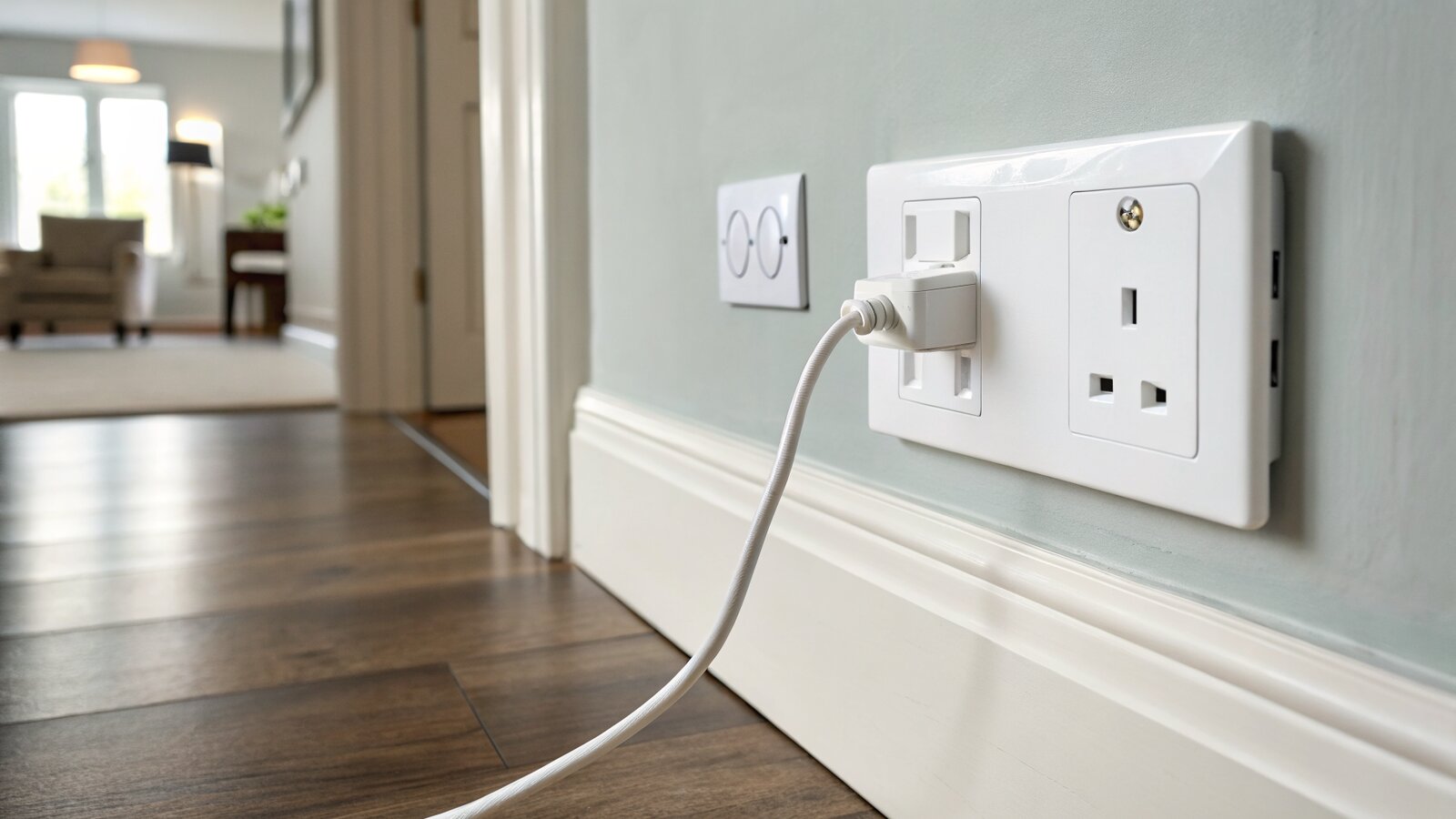
5. What power supply does it need: a standard 13A plug or a dedicated circuit?
This is where plans go wrong. Many one and two-person infrared cabins run from a standard UK 13A socket, but larger or full-spectrum units can draw more and may need a dedicated circuit or even a higher-rated supply installed by a qualified electrician. Ask for the rated wattage and the exact electrical requirement in writing before you buy. Avoid running a sauna through an extension lead or a daisy-chained adaptor. If a dedicated circuit is needed, factor the cost of an electrician into your budget and your timeline.
6. How good is the build quality, and what does the warranty actually cover?
Open the specification and look past the photos. Tongue-and-groove panels, solid door hinges, tempered safety glass and properly finished bench edges signal care. Then read the warranty in full. A confident manufacturer offers a long, often lifetime, warranty on the cabin structure and heaters, with shorter cover on electronics. Check whether the warranty is honoured in the UK, who pays return shipping on a faulty panel, and how long the company has actually traded. A five-year promise from a brand that appeared last year is worth less than it reads.
7. What controls does it have, and do you need Bluetooth?
Most cabins offer a digital control panel for temperature and timer. Many add Bluetooth speakers, app control, chromotherapy (coloured) lighting and reading lights. These are genuinely nice, but they are also the parts most likely to fail first and the hardest to repair. Decide which features you will actually use, and treat lighting and app gimmicks as a bonus rather than a reason to overlook a weaker heater or thinner warranty.
8. Will it fit through your doorways and into the room?
Infrared saunas usually arrive flat-packed in several heavy boxes and are assembled in the room, which helps. Even so, check the size of each panel against your narrowest doorway, hallway turn and stairwell. Confirm the assembled cabin will clear ceiling height and leave space to open the door fully. Ask whether two people are needed to build it and roughly how long assembly takes. Measure twice; a cabin that cannot reach the room it is meant for is an expensive mistake.
9. Is it properly certified for electrical safety in the UK?
Any electrical appliance sold in Great Britain must meet the Electrical Equipment (Safety) Regulations 2016 and carry the right conformity mark. Look for genuine UKCA or CE marking on the product, with the manufacturer able to provide a declaration of conformity if asked. The UK government’s guidance on placing manufactured goods on the market in Great Britain confirms that either mark is accepted for electrical equipment. Treat a missing mark, or a seller who cannot explain it, as a reason to walk away. Note that “low EMF” is a separate claim from electrical safety certification, so do not let one stand in for the other.
10. What temperature range does it reach, and how fast does it warm up?
Infrared cabins run cooler than traditional Finnish saunas because the heat works on your body directly rather than the air. A typical operating range sits well below the 90°C of a steam-and-stones sauna, and that is normal, not a fault. Ask for the maximum cabin temperature and the realistic warm-up time from cold. Carbon panels generally reach working heat faster than ceramic. If you plan short sessions before work, a long warm-up will quietly put you off using it.
11. How is it delivered and installed, and what does that cost?
Confirm whether delivery is kerbside or into the room, because a kerbside drop of several heavy boxes leaves you to carry them. Ask about lead times, whether assembly is included or a paid extra, and what tools you will need. If you require an electrician for a dedicated circuit, line that work up so it is ready when the cabin arrives. Budget for the full delivered-and-installed figure, not the headline cabin price alone.
12. What is the returns policy if it is not right?
A large cabin is hard to send back, so the returns terms matter. Check the trial or return window, who pays return carriage, whether you must keep the original packaging, and any restocking fee. Read how faulty units are handled versus simple change-of-mind returns; UK consumer rights cover faulty goods, but voluntary trial periods vary widely between sellers. Get the policy in writing before you order.
A word on detox and weight-loss claims
Plenty of infrared sauna marketing leans on detox and fat-burning promises. Be sceptical. Your liver and kidneys do the overwhelming share of detoxification; sweat carries only small amounts of anything, so framing a sauna as a detox machine oversells it. Likewise, the weight you lose in a session is water that returns once you rehydrate, not fat. What the evidence more reasonably supports is relaxation, a temporary rise in heart rate, and help with muscle recovery and comfort. Buy an infrared sauna because you will enjoy regular warm sessions, not because a sales page promised to melt toxins or pounds.
Frequently asked questions
Does an infrared sauna need a special electrical supply?
It depends on the size. Many one and two-person cabins run from a standard 13A UK socket, but larger or full-spectrum models can need a dedicated circuit fitted by a qualified electrician. Always ask the manufacturer for the rated wattage and exact electrical requirement before buying, and never run one through an extension lead.
Is carbon or ceramic better for a home infrared sauna?
Neither is universally better. Carbon panels give a gentle, even warmth across a large surface and heat up relatively quickly, which suits comfortable daily use. Ceramic heaters run hotter and more intensely at the source but warm less evenly. Full-spectrum units add near-infrared wavelengths at a premium price. Choose based on how you want the heat to feel and what you can spend.
How can I tell if a sauna is genuinely low EMF?
Ask for an independent third-party test report that states measured field readings at a specific distance from the heaters. A “low EMF” badge or a single number with no test conditions is just marketing. Independent verification, with the measurement distance shown, is the only claim worth trusting.
Which wood is best for an infrared sauna?
Canadian hemlock, western red cedar and basswood are the usual choices. Hemlock is affordable and odourless, cedar is aromatic and naturally rot-resistant, and basswood is hypoallergenic and scent-free for sensitive users. Just as important is what binds the cabin together, since plywood, MDF and synthetic glues are the main source of VOCs, so ask for the full materials list.
Do infrared saunas help you lose weight?
Not directly. Any drop on the scales straight after a session is water lost through sweat, and it comes back once you rehydrate. Infrared saunas can support relaxation and muscle recovery and raise your heart rate temporarily, but they do not burn fat in any meaningful way or replace exercise.
Will an infrared sauna fit through a normal doorway?
Usually yes, because these cabins arrive flat-packed in panels and are assembled in the room. Still measure each panel against your narrowest doorway, hallway turn and stairwell, and confirm the assembled height clears your ceiling with room to open the door. Check whether two people are needed for the build.
Related guides
- Infrared Sauna Buying Guide: How to Choose the Right One for Your Home
- Infrared Sauna vs Traditional Sauna: Which Is Right for You?
- Home Wellness News: June 2026
- How Much Does an Infrared Sauna Cost in the UK? Full Price Breakdown
- 1-Person vs 2-Person Infrared Sauna: Which Size Is Right for You?
- Carbon vs Ceramic Infrared Sauna Heaters: What’s the Difference?
- How Much Does It Cost to Run an Infrared Sauna at Home? (UK Energy Costs)
- Are Infrared Saunas Worth It? An Honest Look at the Cost vs Benefits
- Sauna and Home Wellness News: Mid-June 2026