
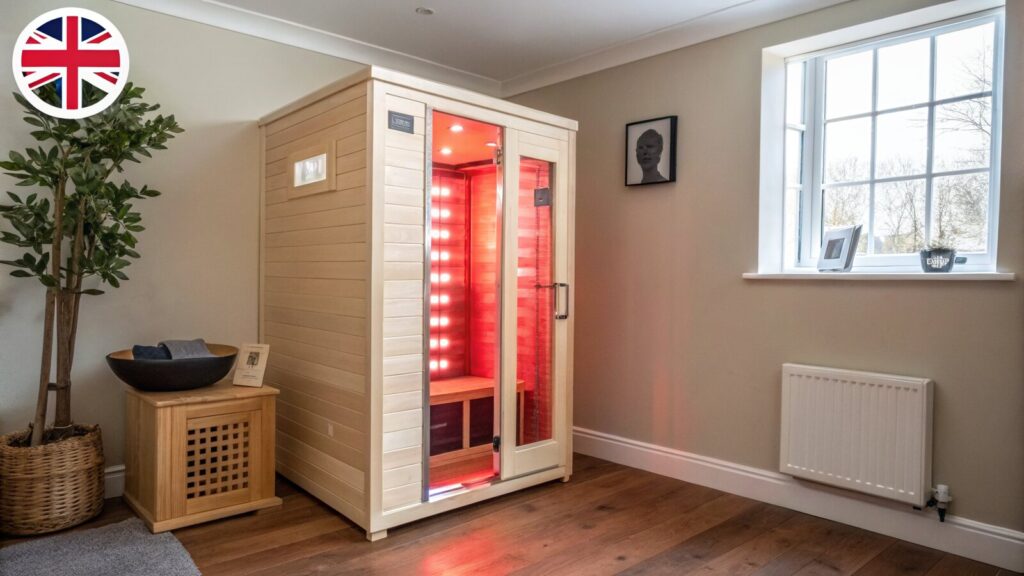
People shopping for a home wellness setup often line up red light therapy vs infrared sauna as if they are two versions of the same thing. They are not. One uses light to nudge your cells; the other uses heat to make you sweat. They feel different, they are built differently, and the published evidence points in different directions. If you understand what each one actually does, you can pick the one that suits your goals, your space and your budget, or decide whether owning both makes sense.
This guide breaks down the mechanism behind each, the benefits that have decent research behind them, the claims that do not, the practical side of running each at home, and whether the two technologies work well together. None of this is medical advice. Both are wellness tools, not treatments for a diagnosed condition, and neither replaces care from your GP.
The core difference: light signalling versus heat stress
Red light therapy and infrared saunas sit at different points on the same broad spectrum of light, but they exploit completely different effects.
Red light therapy, also called photobiomodulation (PBM) or low-level light therapy, delivers specific wavelengths of visible red light (roughly 630 to 660 nanometres) and near-infrared light (around 810 to 850 nanometres) onto the skin. These wavelengths sit in what researchers call the optical or therapeutic window, roughly 600 to 1000nm, where light passes into tissue rather than being fully absorbed at the surface. The light is taken up by chromophores in the mitochondria, the energy-producing part of your cells, which can support cellular energy (ATP) production. The point is the light signal, not the warmth. A good red light panel barely feels warm.
An infrared sauna does the opposite. It uses longer infrared wavelengths, mostly far-infrared, that are absorbed by water in the body and turned into heat. That heat raises your skin and core temperature, opens blood vessels, lifts your heart rate and triggers a heavy sweat at a lower air temperature than a traditional Finnish sauna. The benefit comes from the controlled heat-stress response, the same kind of mild stress your body deals with during light exercise.
So the one-line version: red light therapy is a light treatment that targets cells; an infrared sauna is a heat treatment that targets your whole thermoregulatory system.
What red light therapy is good for
The strongest evidence for red light therapy is in skin and recovery, and it is best described as promising rather than settled. The UK health information site Patient.info, reviewed by a practising GP, summarises the picture fairly: early studies suggest a range of possible benefits, but many claims still need stronger evidence. You can read its overview of red light therapy benefits and risks for a measured, non-commercial take.
Areas with reasonable support include:
- Skin appearance. Red wavelengths around 630 to 660nm are studied for collagen support and skin texture, which is why so many home masks and panels target this range.
- Muscle recovery. A 2025 systematic review with meta-analysis in the Journal of Bodywork and Movement Therapies found low-certainty evidence that photobiomodulation can reduce muscle soreness and aid recovery, with the caveat that the trials are small and varied. Near-infrared around 810 to 850nm penetrates deeper, towards muscle and joint, which is why recovery devices favour it.
- Wound healing and localised use. Photobiomodulation has a long research history in tissue repair, although results depend heavily on dose and wavelength.
What red light therapy does not reliably do: it will not make you sweat, it will not give you a cardiovascular workout, and it is not a weight-loss device. It is a targeted, low-heat treatment, so you point it at the area you care about and use it for short, regular sessions.
What an infrared sauna is good for
Infrared saunas trade on heat, and the most useful evidence comes from sauna bathing in general. The widely cited University of Eastern Finland cohort followed more than 2,000 middle-aged men for around 20 years and found that more frequent sauna use was associated with lower cardiovascular mortality, with the strongest associations in those using a sauna several times a week. That study was on traditional Finnish saunas, not infrared specifically, so it shows the value of regular heat exposure rather than proof for any particular cabinet.
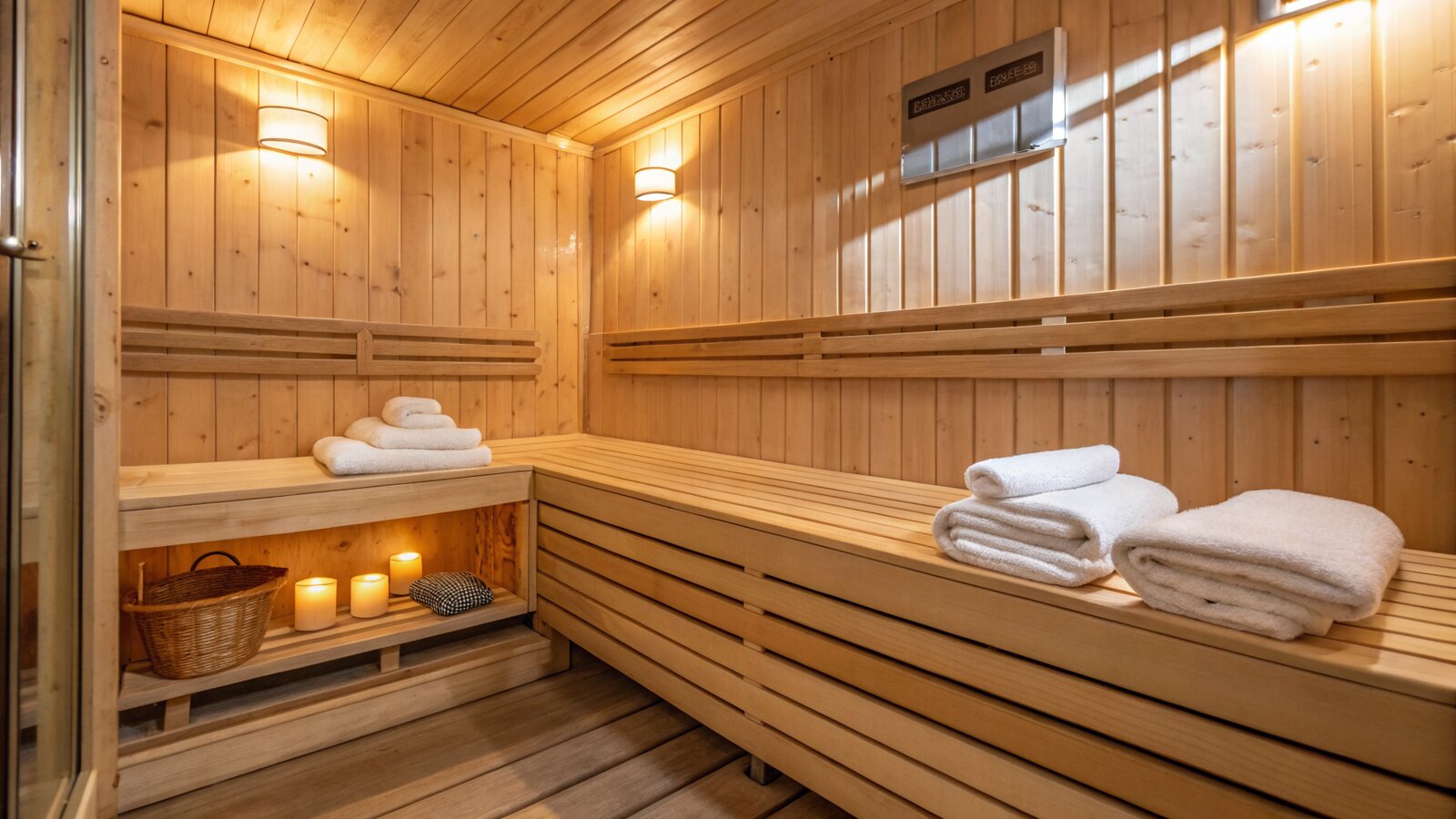
For infrared specifically, the benefits with the best support are:
- Cardiovascular load similar to gentle exercise. The heart-rate rise, vasodilation and sweating during a session place a demand on the body comparable to walking at a moderate pace.
- Relaxation and perceived recovery. Heat is genuinely good at helping people unwind and ease muscle tension after training.
- A vigorous sweat at a comfortable temperature. Infrared lets most people sweat heavily at a lower air temperature than an 80 to 90C Finnish sauna, which many find easier to tolerate.
Be sceptical of the bigger marketing claims. Published reviews have not found good evidence that sauna use lowers cholesterol, and the word detox is doing a lot of unearned work in sauna advertising. Your liver and kidneys handle most of the clearing; sweat is mainly water and salt. Treat detox claims as marketing, not science.
Red light therapy vs infrared sauna at home
The practical gap between the two is large, and it usually decides the purchase.
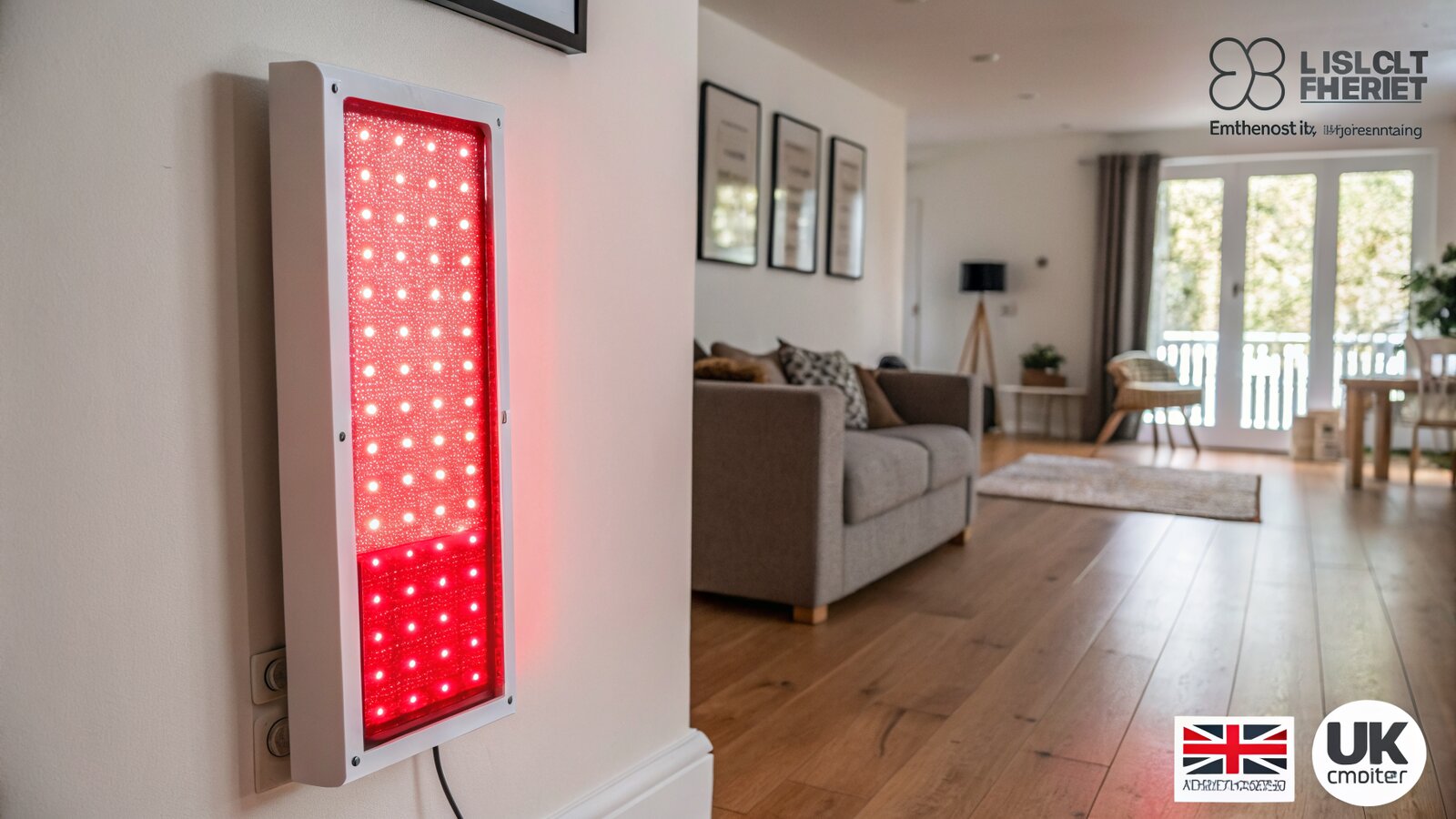
Red light therapy is the lighter-touch option. It ranges from small handheld wands and face masks up to full-length panels you hang on a wall or door. It needs a standard plug socket, almost no installation, and very little space. Sessions are short, often a few minutes per area, and you stay clothed except for the patch of skin you are treating. The main running cost is electricity, which is modest.
An infrared sauna is a piece of furniture. Options run from a one-person cabin or a foldable sauna blanket up to a two or three-person cabin that needs proper floor space, ventilation and, for larger units, a dedicated electrical circuit installed by a qualified electrician to current UK wiring regulations. Sessions last longer, you will be sweating heavily, and you need to factor in water, towels and time to cool down. It is a bigger commitment of money and room, and it is harder to move once it is in.
If you are weighing up a luxury home wellness build, our wider guides at The Shape House cover the room, layout and kit decisions in more detail.
Can you combine red light therapy and an infrared sauna?
Yes, and the two complement each other precisely because they do different jobs. Many people use an infrared sauna for the systemic heat-stress benefits, relaxation and sweat, then use a red light panel separately to target skin or a specific recovery area such as a sore knee or shoulder. There is no conflict between heat exposure and light exposure.
A word of caution on combined products. Plenty of saunas are now sold with built-in red light, which is a genuine convenience. The catch is that a panel mounted to warm or decorate the cabin is not always delivering a clinical wavelength and irradiance at the distance you are sitting. If red light therapy is a real goal rather than a nice extra, check the actual wavelengths (look for stated figures near 660nm and 850nm) and how close you need to be, rather than assuming any red glow counts.
Which one should you choose?
Match the tool to the goal:
- Choose red light therapy if your priorities are skin, targeted muscle or joint recovery, and you want something cheap to run, easy to fit and undemanding on space.
- Choose an infrared sauna if you want the heat experience, a deep sweat, relaxation and a gentle cardiovascular load, and you have the space and budget for a cabin or at least a blanket.
- Consider both if you can, because they cover different bases. Just buy them as two properly specified devices rather than relying on a single combo unit to do both jobs well.
Safety and sensible use
Both are low-risk for most healthy adults, but a few points are worth respecting. For red light therapy, bright high-output panels can be uncomfortable to look at, so close your eyes or use the supplied goggles, and be cautious if you take photosensitising medication or have an eye condition. For infrared saunas, hydrate well, keep early sessions short, get out if you feel faint, and avoid alcohol beforehand.
Anyone who is pregnant, has a heart condition, low blood pressure, active cancer or any chronic illness should speak to their GP before starting either. Crucially, these are wellness devices, not medical treatments, and they are not regulated as cures. If a seller promises an infrared sauna or red light panel will treat or reverse a named disease, treat that as a red flag.
Frequently asked questions
Is red light therapy the same as an infrared sauna?
No. Red light therapy uses specific red and near-infrared wavelengths to stimulate cells, with almost no heat. An infrared sauna uses infrared mainly to heat your body and make you sweat. Same broad spectrum, very different mechanism and experience.
Which is better for skin?
Red light therapy. Red wavelengths around 630 to 660nm are the ones studied for collagen support and skin texture, and you can target the face directly. An infrared sauna mainly benefits skin indirectly through circulation and sweating.
Which is better for recovery and relaxation?
It depends on what you mean by recovery. For deep relaxation, a full-body sweat and a gentle cardiovascular load, an infrared sauna is the better fit. For targeted muscle or joint recovery on a specific area, near-infrared red light therapy is more precise.
Do infrared saunas detox the body?
Not in the way adverts suggest. Sweat is mostly water and salt, and your liver and kidneys do the real clearing. The genuine benefits are heat adaptation, relaxation and a deep sweat, so treat detox claims with caution.
Are these devices safe to use at home?
For most healthy adults, yes, with sensible use: protect your eyes around bright red light panels, and hydrate and limit session length in an infrared sauna. If you are pregnant or have a heart condition or other chronic illness, check with your GP first.
Can I combine red light therapy with an infrared sauna?
Yes. They do different jobs and work well as a pair. Many people sauna for the heat and use a separate red light panel for skin or a specific recovery area. If buying a combined sauna, check the red light wavelengths and irradiance rather than assuming any built-in red glow is therapeutic.
Related guides
- Heat Pump vs Gas Boiler in 2026: Real Running Costs for UK Homes
- Underfloor Heating vs Radiators: UK Cost, Comfort and Retrofit Guide
- Home Sauna Cost UK 2026: Install Price and Running Cost per Session
- Porcelain vs Ceramic Tiles for Bathrooms and Wet Rooms: Cost, Durability and Where Each One Actually Belongs
- How to Stop Bathroom Condensation and Damp for Good: Extractor Fans vs MVHR Compared for UK Homes
- Microcement vs Tiles for a Wet Room: Real Costs, Cracking Risk and Which Lasts Longer in the UK
- Air Source vs Ground Source Heat Pumps: Which Suits a UK Home?
- How to Cut Your Heating Bills: Proven Steps for UK Homes
- Home Wellness News: June 2026
- 1-Person vs 2-Person Infrared Sauna: Which Size Is Right for You?
- Carbon vs Ceramic Infrared Sauna Heaters: What’s the Difference?
- How Much Does It Cost to Run an Infrared Sauna at Home? (UK Energy Costs)
- What to Look for When Buying an Infrared Sauna: 12 Questions to Ask First
- Are Infrared Saunas Worth It? An Honest Look at the Cost vs Benefits
- Sauna and Home Wellness News: Mid-June 2026
- Sauna Blanket vs Infrared Sauna: Which Is Actually Worth It?
- Far Infrared vs Near Infrared Sauna: Which Wavelength Do You Need?
- Infrared Sauna vs Steam Room: Heat, Benefits and Home Setup Compared
- Home Wellness News: Late June 2026
- Infrared Sauna Benefits: What the Evidence Actually Shows
- Infrared Sauna for Weight Loss: Does It Really Burn Fat?
- Infrared Sauna for Skin: Collagen, Glow and Anti-Ageing Explained
- Home Wellness News: Early July 2026
- Infrared Sauna Detox: What Your Sweat Can and Can’t Remove
- Infrared Sauna Before or After a Workout? The Best Timing for Recovery
- What to Wear in an Infrared Sauna (and What to Avoid)
- Who Should Not Use an Infrared Sauna? Safety Guide