
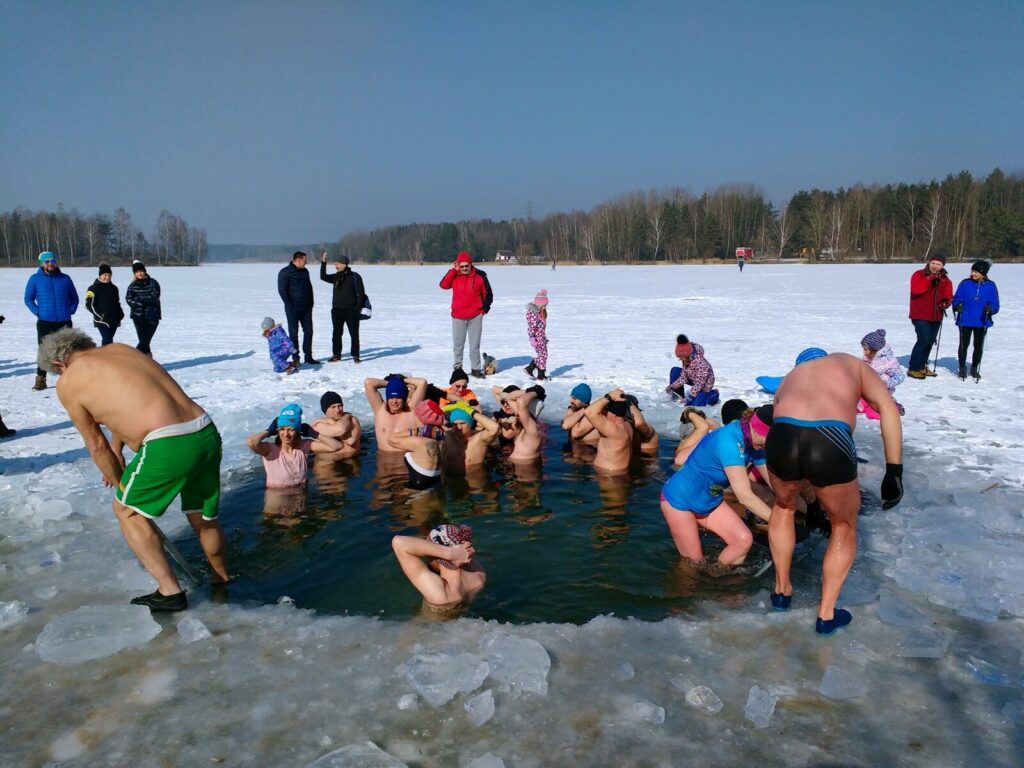
Getting the ice bath temperature and time right is the difference between a cold plunge that leaves you buzzing and one that just leaves you cold, or worse, puts you at risk. For most beginners, water of around 12 to 15 degrees Celsius for one to three minutes is the sensible starting point, and you build from there. This guide sets out exactly how cold to make the water, how long to stay in, how often to plunge, and the safety rules that matter more than any of it.
At The Shape House we look at heat and cold as two halves of the same recovery routine. Cold immersion is simple, but a few numbers make it far safer and more effective. Here they are.
The short answer on temperature and time
If you want one line to start from: aim for water around 12 to 15 degrees Celsius and stay in for one to three minutes when you are new to it. Experienced plungers often use colder water, roughly 5 to 10 degrees, and stay in for two to five minutes. Very few people need more than five minutes, and around 15 minutes is treated as an absolute ceiling in most guidance because the risk of hypothermia climbs quickly beyond it. Colder water means less time, not more.
The best ice bath temperature for beginners
Cold water immersion is usually defined as water below about 15 degrees Celsius, which is where the body’s cold-shock response kicks in. For a first plunge, 15 degrees is plenty cold enough to trigger the gasp reflex and the rush that follows, without being overwhelming. Start there and hold it for a couple of weeks before you drop the temperature.
As you adapt, you can work down toward 10 degrees and then, if you choose, into the single digits. There is no prize for the coldest possible water. The benefits people are chasing, better mood, a sense of alertness and faster perceived recovery, show up well within the beginner range. Going colder mainly shortens the time you can safely stay in, so treat a lower temperature as a trade-off rather than an upgrade. Always check your water with a thermometer rather than guessing, because a few degrees makes a real difference to how your body responds.
How long to stay in an ice bath
Time in the water should scale down as the temperature drops. A practical rule is to keep sessions short and repeatable rather than long and heroic. Beginners do well with 30 seconds to one minute at first, extending to two or three minutes over a few weeks. In colder water of around 5 to 10 degrees, two to four minutes is ample.
The single most important rule: do not decide to extend your time once you are already in the water. Cold immersion releases a surge of adrenaline and feel-good chemicals that can make you feel more capable than you are, so set your target time before you get in and stick to it. Get out the moment you start shivering uncontrollably, go numb, or feel light-headed. Those are signals to stop, not to push through.
The 11-minutes-a-week guideline
A widely cited figure comes from the work of Dr Susanna Soberg, whose research on cold and heat exposure suggested that roughly 11 minutes of cold water immersion per week, spread across several short sessions, was associated with the metabolic changes people are after. That works out at something like three or four plunges a week of two to three minutes each.
The useful takeaway is not the exact number but the shape of it: little and often beats one long, punishing session. Frequency and consistency matter more than any single cold record. If you manage three or four short plunges across the week and add up to somewhere around ten minutes of total cold time, you are in sensible territory.
A beginner’s four-week progression
Here is a gentle way to build a habit without shocking your system. Adjust it to how you feel, and never chase the numbers if your body is telling you to stop.
| Week | Temperature | Time per session | Sessions per week |
|---|---|---|---|
| Week 1 | 15°C | 30 to 60 seconds | 2 to 3 |
| Week 2 | 15°C | 1 to 2 minutes | 3 |
| Week 3 | 12°C | 2 minutes | 3 to 4 |
| Week 4 | 10 to 12°C | 2 to 3 minutes | 3 to 4 |
Breathe slowly and deliberately the whole time. The first 30 seconds, when the cold-shock response makes you want to gasp and hyperventilate, are the hardest. Long, controlled exhales settle your nervous system and are the real skill of cold immersion. Warm up naturally afterwards with dry clothes and gentle movement rather than a hot shower straight away, which can leave you feeling faint.
How to stay safe in the cold
Cold water is genuinely powerful, and the safety rules are not optional. Never plunge alone if you are new to it or using very cold water: have someone nearby who can help. Enter slowly and stay in control of your breathing rather than jumping in. Keep your head above the water unless you are experienced and supervised.
Cold immersion is not for everyone. If you have a heart condition, high blood pressure, Raynaud’s, are pregnant, or have any circulatory or respiratory condition, speak to your GP before you start. The cold-shock response raises heart rate and blood pressure sharply, which is exactly why medical clearance matters for anyone at risk. The RNLI explains the dangers of sudden cold immersion in its guide to cold water shock, and the principles apply just as much to a garden ice bath as to open water.
Pairing a plunge with heat, going from a sauna to cold and back, is popular and enjoyable, but the same rules apply to each end. Ease in, keep sessions short, and let comfort rather than ego set the limits. Done sensibly, an ice bath is a simple, repeatable habit. Done recklessly, it is a real hazard, and the numbers in this guide exist to keep you on the right side of that line.
Frequently asked questions
What temperature should an ice bath be for a beginner?
Around 15 degrees Celsius is a sensible starting point. It is cold enough to trigger the cold-shock response and the benefits people want, without being overwhelming. Hold that temperature for a couple of weeks before dropping toward 10 to 12 degrees as you adapt.
How long should you stay in an ice bath?
Beginners should start with 30 seconds to one minute and build to two or three minutes over a few weeks. In colder water of 5 to 10 degrees, two to four minutes is plenty. Around 15 minutes is treated as the maximum in most guidance, and there is rarely any reason to approach it.
Is a colder ice bath better?
Not necessarily. Colder water shortens how long you can safely stay in and raises the risk, while most of the benefits appear within the beginner range of 10 to 15 degrees. Treat a lower temperature as a trade-off that reduces your safe time, not as an automatic improvement.
How often should you take an ice bath?
Three to four short sessions a week suits most people, adding up to roughly ten minutes of total cold time. Little and often is more effective and safer than one long session. Consistency over weeks matters far more than any single plunge.
What are the warning signs to get out of an ice bath?
Get out immediately if you start shivering uncontrollably, lose feeling in your hands or feet, feel light-headed, or cannot control your breathing. Never decide to extend your time once you are in the water, because the cold can make you overestimate what you can handle.
Who should not take an ice bath?
Anyone with a heart condition, high blood pressure, Raynaud’s, a circulatory or respiratory condition, or who is pregnant should speak to a GP first. The sharp rise in heart rate and blood pressure during cold immersion can be dangerous for people with these conditions.
Related guides
- Heat Pump vs Gas Boiler in 2026: Real Running Costs for UK Homes
- Underfloor Heating vs Radiators: UK Cost, Comfort and Retrofit Guide
- Home Sauna Cost UK 2026: Install Price and Running Cost per Session
- Porcelain vs Ceramic Tiles for Bathrooms and Wet Rooms: Cost, Durability and Where Each One Actually Belongs
- How to Stop Bathroom Condensation and Damp for Good: Extractor Fans vs MVHR Compared for UK Homes
- Microcement vs Tiles for a Wet Room: Real Costs, Cracking Risk and Which Lasts Longer in the UK
- Air Source vs Ground Source Heat Pumps: Which Suits a UK Home?
- How to Cut Your Heating Bills: Proven Steps for UK Homes
- Home Wellness News: June 2026
- 1-Person vs 2-Person Infrared Sauna: Which Size Is Right for You?
- Carbon vs Ceramic Infrared Sauna Heaters: What’s the Difference?
- How Much Does It Cost to Run an Infrared Sauna at Home? (UK Energy Costs)
- What to Look for When Buying an Infrared Sauna: 12 Questions to Ask First
- Are Infrared Saunas Worth It? An Honest Look at the Cost vs Benefits
- Sauna and Home Wellness News: Mid-June 2026
- Sauna Blanket vs Infrared Sauna: Which Is Actually Worth It?
- Red Light Therapy vs Infrared Sauna: Benefits and Key Differences
- Far Infrared vs Near Infrared Sauna: Which Wavelength Do You Need?
- Infrared Sauna vs Steam Room: Heat, Benefits and Home Setup Compared
- Home Wellness News: Late June 2026
- Infrared Sauna Benefits: What the Evidence Actually Shows
- Infrared Sauna for Weight Loss: Does It Really Burn Fat?
- Infrared Sauna for Skin: Collagen, Glow and Anti-Ageing Explained
- Home Wellness News: Early July 2026
- Infrared Sauna Detox: What Your Sweat Can and Can’t Remove
- Infrared Sauna Before or After a Workout? The Best Timing for Recovery
- What to Wear in an Infrared Sauna (and What to Avoid)
- Home Wellness News: Mid-July 2026
- Infrared Sauna for Beginners: A First-Month Session Plan
- Infrared Sauna Temperature and Session Length: A UK Guide
- Infrared Sauna Blanket UK: The Complete Buyer’s Guide
- Do Sauna Blankets Actually Work? What the Evidence Shows
- How to Use a Sauna Blanket: Setup, Timing and Cleaning
- Are Infrared Sauna Blankets Safe? EMF, Burns and Skin Contact
- Home Wellness News: Mid-July 2026
- Sauna Blanket vs Sauna Dome vs Tent: Which Portable Option Wins?
- Contrast Therapy at Home: How to Combine Sauna and Cold Plunge
- Cold Plunge Benefits: What Ice Baths Do for Recovery and Mood
- Sauna Before or After Cold Plunge? The Right Order